Two months after the Fukushima Daiichi nuclear power plant accident in March 2011, a team of Japanese researchers collected 144 adult pale grass blue (Zizeeria maha) butterflies from 10 locations in Japan, including the Fukushima area.
When the accident occurred, the adult butterflies would have been overwintering as larvae.
Unexpected results
By comparing mutations found on the butterflies collected from the different sites, the team found that areas with greater amounts of radiation in the environment were home to butterflies with much smaller wings and irregularly developed eyes.
“It has been believed that insects are very resistant to radiation,” said lead researcher Joji Otaki from the University of the Ryukyus, Okinawa.
“In that sense, our results were unexpected,” he told BBC News.
The Japanese researchers have been studying the species for more than a decade
Prof Otaki’s team then bred these butterflies within labs 1,750km (1,090 miles) away from the accident, where artificial radiation could hardly be detected.
It was by breeding these butterflies that they began noticing a suite of abnormalities that hadn’t been seen in the previous generation – that collected from Fukushima – such as malformed antennae, which the insects use to explore their environment and seek out mates.
Six months later, they again collected adults from the 10 sites and found that butterflies from the Fukushima area showed a mutation rate more than double that of those found sooner after the accident.
The team concluded that this higher rate of mutation came from eating contaminated food, but also from mutations of the parents’ genetic material that was passed on to the next generation, even though these mutations were not evident in the previous generations’ adult butterflies.
The team of researchers have been studying that particular species butterfly for more than 10 years.
They were considering using the species as an “environmental indicator” before the Fukushima accident, as previous work had shown it is very sensitive to environmental changes.
“We had reported the real-time field evolution of colour patterns of this butterfly in response to global warming before, and [because] this butterfly is found in artificial environments – such as gardens and public parks – this butterfly can monitor human environments,” Prof Otaki said.
But the findings from their new research show that the radionuclides released from the accident were still affecting the development of the animals, even after the residual radiation in the environment had decayed.
“This study is important and overwhelming in its implications for both the human and biological communities living in Fukushima,” explained University of South Carolina biologist Tim Mousseau, who studies the impacts of radiation on animals and plants in Chernobyl and Fukushima, but was not involved in this research.
“These observations of mutations and morphological abnormalities can only be explained as having resulted from exposure to radioactive contaminants,” Dr Mousseau told BBC News.
The findings from the Japanese team are consistent with previous studies that have indicated birds and butterflies are important tools to investigate the long-term impacts of radioactive contaminants in the environment.
ForEvergreen String Band is a local (Shelton, WA) traditional American fiddle tunes group steeped in the old songs their neighbors know and love. The lead fiddle player announced free workshops & tunes the 1st Friday of every month at the Senior Center in downtown Shelton (accross the street from Safeway) open to all.
Here, some children the center has invested in and sponsored along with their families, also perform.
Bobby (Duane?-on guitar & bass), Laura Farr (on fiddle), Will Farr (on guitar), Will Adams (on sound mixer & guitar)
8-9-12 Music In The Park (Shelton) – ForEvergreen String Band 1/5
Skookum Rotary introduces the ForEvergreen String Band, a local traditional American fiddle tunes group, and the sponsors making the free concerts in Shelton’s Post Office Park possible.
8-9-12 Music In The Park (Shelton) – ForEvergreen String Band 2/5
8-9-12 Music In The Park (Shelton) – ForEvergreen String Band 3/5
8-9-12 Music In The Park (Shelton) – ForEvergreen String Band 4/5
8-9-12 Music In The Park (Shelton) – ForEvergreen String Band 5/5
Lashonn White is a deaf woman who called 911 after being attacked in her apartment. Instead of helping her, Tacoma police tasered her and put her in jail for 60 hours without an interpreter.
Two police officers were dispatched who had been told that she is deaf. She ran outside to meet them, and immediately, Officer Koskovich tasered her in her rib and stomach. Because of the fall, she suffered heavy bleeding from her knuckles, injuries to her cheek, chin, ribs, neck, and arms, and swelling on the right side of her face. Then they handcuffed her.
White was incredibly confused as to why she was under arrest, and couldn’t talk to the officers because they don’t know sign language. Koskovich said that he had yelled for White to stop, but she had ignored him — in reality, she couldn’t hear him.
By DAVID SCHOETZ
Dec. 7, 2007
An Ohio police officer whose decision to Taser a pregnant woman last month in the lobby of a police station triggered FBI and internal probes is out of a job before those investigations are even complete.
Michael Wilmer, a 29-year-old probationary officer with the Trotwood Police Department, was fired from the department for posting photos of evidence from police investigations on the Internet, according to Michael Etter, the town’s head of public safety.
During the investigation into the Taser incident, officials discovered “items that are not consistent” with the standards of the local police department. Specifically, Wilmer had posted photos on his personal page on the social networking site MySpace that showed behavior the department considered unbecoming of an officer.
“He had a picture of evidence that was seized in a drug bust that involved some marijuana and some money,” Etter told ABC News. “There was a picture of a cruiser’s speedometer going 100 mph.”
Etter said MySpace and Facebook accounts will now be a part of background checks during the department’s hiring process. “The whole police profession is based on public trust,” Etter said. “You can’t have integrity in your investigation if you’re posting photos of the evidence on the Internet.”
Wilmer could not be reached by ABC News for comment. There is no number in public directories listed for anyone of that name and age in Ohio.
Investigators have not concluded the Taser probe, Etter said, because all of the parties have not been interviewed yet. The department hopes to complete that review by the end of the year.
After the Taser incident, Etter’s department faced outside pressure that sparked the look into Wilmer’s conduct. Richard Jones, president of the Ohio chapter of the Rev. Al Sharpton’s National Action Network, called in a complaint to Etter about the Taser incident, which occurred Nov. 18 and was caught on surveillance tape.
The footage shows a woman identified in a police incident report as Valreca Redden, 33, in the lobby of the suburban Dayton police station with her 1-year-old son.
Redden had come to the police station to ask police to take custody of the child. When Wilmer asked why, the woman reportedly would only say that “she’s tired of playing games” with the baby’s father.
“At this point, they had a little more discussion that went nowhere,” Etter told ABC News at the time. “She says, ‘I’m leaving.'”
Etter, who repeatedly emphasized that Wilmer had no idea that Redden was pregnant, said his former officer told Redden that she could not leave the station without further explanation. He took hold of the child with one arm, Etter said, and pushed the woman down with the other.
A second officer arrived and Wilmer handed over the 1-year-old and attempted to handcuff Redden. She began to resist, Etter said, at which point Wilmer “employed what is called a ‘drive stun'” on the back of her neck.
According to a copy of Trotwood Police Department General Orders, police officers are encouraged to “greatly evaluate each situation with discretion” before using a Taser on a child, elderly person or pregnant woman.
Redden was charged with obstructing official business and resisting arrest. It was not until the woman, wearing a heavy coat, was being checked out by jail staff that officers learned she was pregnant, Etter said. At that point, she was transported directly to the hospital.
Etter at the time defended Wilmer’s decision to detain the woman and kept the officer on duty. Etter defended that decision today and said that he fired Wilmer solely because of behavior that does not meet his department’s standards, not related to the Redden Tasering incident.
“This decision was based on facts,” Etter wrote in a media release about the firing, “not on speculation or outside pressure.”
Jones, from Sharpton’s National Action Network, said that his organization was relieved that Wilmer was terminated, but disputed Etter’s claim that outside pressure did not play a role in the decision. “The investigation was only started because we called them,” Jones said. “But the fact is, that [Wilmer] won’t be able to Tase anyone else.”
Jones is also waiting for Trotwood police to release another surveillance video that apparently shows two officers in May using pepper spray and Tasers to break up a brawl involving two high school girls on a school bus. The mother of one of the students contacted Jones after seeing the story about Wilmer’s Tasering of the pregnant woman and said one of the officers used racial slurs while confronting the teens.
“If the tape shows what we think it shows, there is a real problem in Trotwood,” Jones said, adding that he has been in contact with Sharpton about the Ohio town, which has a police force of about 45 officers.
In the police report about the school bus incident, Trotwood Officer Lester Howard, who discharged his pepper spray, said, “I was nervous and used some bad language, but it did bring the situation under control.”
School officials then filed a complaint after learning from students that racial slurs had been used. Etter, the Trotwood chief, said that police investigated and received mixed messages from student witnesses about exactly what Howard had said.
But there may be more to the story. “The minute we got the complaint and said you’re being investigated for this, he went on medical leave and then retired,” Etter said. “You can read between the lines on that one.”
Children picking up our bones Will never know that these were once As quick as foxes on the hill;
And that in autumn, when the grapes Made sharp air sharper by their smell These had a being, breathing frost;
And least will guess that with our bones We left much more, left what still is The look of things, left what we felt
At what we saw. The spring clouds blow Above the shuttered mansion house, Beyond our gate and the windy sky
Cries out a literate despair. We knew for long the mansion’s look And what we said of it became
A part of what it is … Children, Still weaving budded aureoles, Will speak our speech and never know,
Will say of the mansion that it seems As if he that lived there left behind A spirit storming in blank walls,
A dirty house in a gutted world, A tatter of shadows peaked to white, Smeared with the gold of the opulent sun. -Wallace Stevens-
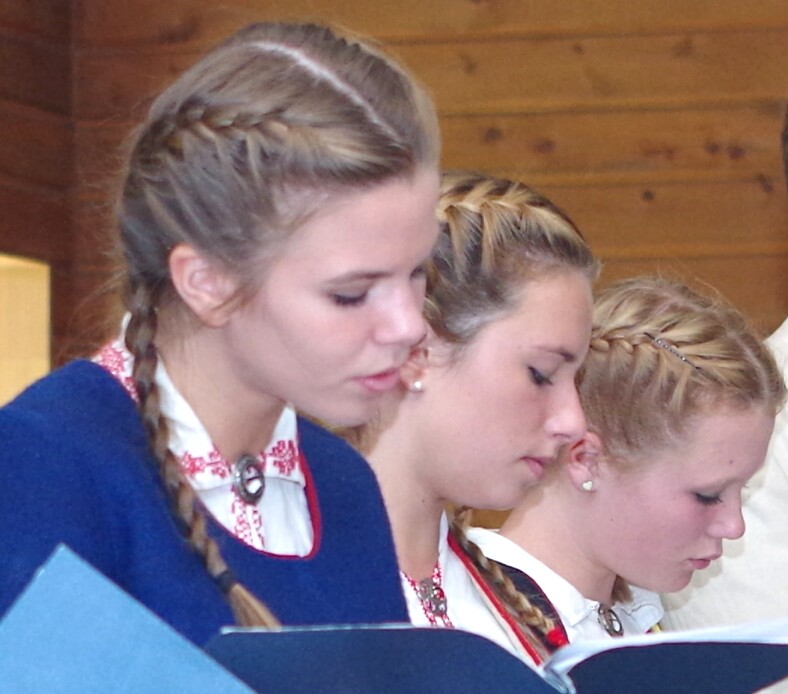
The Latvian Cultural Center & summer High School put on the following graduation and recognition awards ceremony along with the subsequent traditional dance celebration in honor of the participating students, their parents, their freedom, and the ex-patriot Latvian community itself. That community is fiercely committed to preserving its heritage, it’s language, it’s culture, and its values. The following photos and video clips lend credence to their success in that endeavor.
Cry not, sister, I will come soon, I may be home tomorrow…You will ride far and not stop, I will not see you again…
I wish to see distant lands, Where the sun shines higher, Where the sky never darkens, Where my heart may be free…
Say, brother, do not hurry away, I will be alone without you…The sun has set, the time has come To go abroad…
I wish to see distant lands, Where the sun shines higher, Where the sky never darkens, Where my heart may be free…
What is your land worth, Without real freedom? What is freedom worth, Without your own land?
I wait, but it does not come: The bright day when you will return, I hope and I hope, How much longer I do not know.
We hope to see our land Be free again soon. Fate, please make it so! When will anyone understand
What is your land worth, without real freedom? What is freedom worth, Without your own land?
Hello folks! What a pleasure to meet other Latvians here!
Well, hello! We are happy to see you, too, and be able to talk in our own language!
let’s sit down, take a rest and get to know one another…
How did you come to be here?
We crossed the entire Atlantic Ocean from Bremerhaven in Germany.
We came on the ship “General Haan”. The Lutheran church found work for us on a farm in Nebraska.
Our ship was called “General Harry Taylor”, and we sailed into New York. The ship’s engine malfunctioned, so it took us more than a week en route!
Our family was fortunate to arrive by airplane, because my father’s god-father got him a medical job in New York.
We’re so happy that our family was able to stay together and we’re therefore able to help one another. We will now be off to Salem. I can’t wait to start college.
The Lutheran church also helped my father get a work sponsorship in Boston. We will head there by train. He has been hired to be a church custodian, but once we have saved enough money to pay off our travel debts, we will look for another job.
I have heard that some people work in California’s orange groves. Wouldn’t it be nice to get a job there? Ah, how good it would smell!!
I have found work on a Massachusetts cattle farm. I will get there by train.
In Latvia, our family owned 222 acres of land not far from Ranka. The communists took our land. I would have liked to stay and run the farm.
We lived in a refugee camp in Haunstetne near Augsburg for five years. There were schools so children and adults could continue their interrupted educations. There was also an active cultural life despite the fact that there was a war going on.
In order to better learn the language, we read many American books–also newspapers and even magazines.
We arrived in New York, and we will now go to Oakland, where we have been promised work in a paper carton factory.
It’s too bad my family didn’t stay together. My oldest sister, who had studied medicine, emigrated to Scotland, because she was offered work in an Edinburgh hospital. But the rest of our family is on the other side of the Earth in America…I don’t know if we’ll ever meet again.
We mustn’t give up! We have to live on and work to earn bread for our families.
But we must also not forget that we are Latvians, even though we are far from our homeland!
Yes. In Latvia, they are now getting ready for Jani.
But who can keep us from celebrating Jani here in America?
But how will we celebrate? What will we do?
We’ll show you how.
Youths and maidens, it’s not much longer until Jani, Just today and tomorrow, And the next day will be Jani day.
Let’s move into our new homes, and then let’s prepare for celerating Jani together.
LIGO SONG – A. Legzdins
Ligo, mother, ligo, Ligo well tonight, Don’t forget to teach Your daughter Jani songs, too.
So, when her own daughter Will someday come to Jani, Remembering the old words, The Jani songs will be new again.
Ligo, father, ligo, Ligo well tonight, Don’t forget to teach your son Jani songs, too.
So, when his own son Will someday come to Jani, Remembering the old words, The Jani songs will be new again.
Ligo old, ligo young, As long as the Jani fire burns. Let us Ligo this night Until the morning sun rises.
We will wait another year When Janis comes again So that our children’s children Will always know the Ligo songs.
Okay, now it’s time to get settled, work, and begin preparing for ligo. Do you remember how in Latvia the whole world was in bloom around Jani? The way the grass and flowers smelled?
Yes, you could get dizzy from the smell like that only on Jani, when nature shows its greatest power–everything is in bloom and growing.
Jāņi night is the shortest night of the year, which make it the longest day.
No one must sleep on this night– Who sleeps on Jāņi will struggle with sleep all year long.
Jāņi is a beautiful holiday, because we know ho w to celebrate it. We won’t be lost even in a foreign land, among other peoples, because we have Jāņi!
For Latvians, Jānis symbolizes one of the primary powers of fertility– he wears an oak-leaf wreath and rides a horse around all the fields and pastures bringing blessings of fertility.
And here in a foreign land, we must also ask for blessings for our people, for our lives– that is why we must honor Jānis and his children.
Līgo, Jāni, līgo, Jāni, līgo, līgo! Now your day is coming, līgo, līgo!
Come Jāņi day, līgo, līgo-Many await you, līgo, līgo!
When preparing for the children of Jānis, one must weed the garden, clean the
house, and put everything in order and make it festive.
Three days I did the laundry, While waiting for Jāņi day.
When Jāņi day came, I wore a white shirt.
These will be the gates of the sun, through which the sun will set at night!
But if you want to see the devil, then you need to stand in the gate naked on Jāņi night!!! I‘ll pass on that.
FOLK DANCE—A MAIDEN LEADS THE BOYS
I scattered my room, līgo, līgo, with leaves
I scattered it with leaves And filled it with roses!
Shall we put flowers and leafy branches everywhere?
No! My grandmother told me that the dairy barn should be scattered with stinging nettles on Līgo night, so that witches will get stung.
All the gates are ornamented, But not the neighbors’.
The neighbor boys are lazy; They didn’t ornament their gate.
The rooms, home, barn and courtyard must be ornamented with young trees.
One must place rowan branches on the roof above the door to protect against
devils, witches, and covetous people. The rowan also protects against lightning .
Don’t forget to hang wild rose stems around the barn, so witches can’t get in to milk the cows on Jāņi night! Boys, take these and hang them up!
While walking across the meadow, līgo, līgo! I sang the meadow a song, līgo, līgo!
My shoes filled with, līgo, līgo! Blue blossoms and golden dew, līgo, līgo!
Līgo day is also called greens day, because of all the flowers picked and branches cut. Now it‘s time to braid wreaths. Let‘s make oak leaf wreaths for the boys, so they may be strong as oaks!
But what kind of garlands will we braid for the maidens and women?
Let‘s go, girls, Let‘s sit in a group;
Let‘s braid a garland To welcome Jānis.
I braided a garland From nine Jāņi blossoms.
My garland shone Through nine glass windows.
I braided a garland From marsh Larbardor tea.
I put it on little Jānis, So he would get dizzy without getting drunk!!!
But one must also braid a wreath from thrice nine blossoms.
It must be held under your arm all day.
Dance all night, but when you go to sleep, put the garland under your pillow–
then you will dream the future!!!
Maidens, braid garlands On the eve of Jāņi day:
Who will have a splendid garland, She‘ll be Jānis’ bride
On Jāņi eve I braided a garden flower garland:
Of roses and poppies, Of pretty pot marigolds.
Don’t forget to put a wreath around every cow and calf so we will have plenty of milk.!
Everyone awaits Jāņi day, Cows wait and cowherds wait:
Cheese and milk for the cowherds, Flower garlands for the cows!
All were Jāņi greens That were picked on Jāņi eve:
Those picked in the morning sun Were no longer much good.
Women, Girls! Don’t forget to gather the medicinal herbs and making the hearth broom. All grasses collected on Jāņi are especially healing!
FOLK DANCE A Jānu Dance chor. Z Miezītis
At the Jāņu bonfire we must burn our dried garlands from last year and so all the bad from last year that was collected will be burned away.
On the Latvian seashore, the fishermen burned their old fishing boats. They
burned so very brightly!
As far as the Jāņu fires shine, all will be well. The field will be fertile, the grains rich, homes safe. The fire scares away all the evil spirits because it is said the air is full of them this night.
It looks like this will be a good fire. It will shine far and protect our fields, our people and our cattle. We will light the fire when the sun is setting through our gates. Ladies of the house.. It is time to set the table!
It is good that you put the fire on the hilltop..the elders say that God throws money into the ashes, we certainly can use that!
The food on the table must be round to honor the sum, rounds of cheese, round
loaves of bread, eggs and so on.
Cheese we bound into a round; Beer we poured into a can.
In my own room I will scatter roses.
Our mother formed the cheese with nine corners.
He’ll have a corner, She’ll have another corner, But Jānis gets the very center.
In the seasonal order of the year, Jānis comes to visit his children
We make cheese and brew beer to treat him.
As Father brewed the beer, He put a bee in his pocket.
So that the drinkers of the beer will sing Like the bees in their hives.
We baked a hundred loaves of bread As we waited for the gathering day
A hundred dancing children came to visit.
Get up, brother, put on your shoes; Let us go and greet Jānis!
Jānis has a heralding horn, I have a satchel of songs
Jānis blew his horn, And I sang my songs.
I collected my songs throughout the whole year long As I waited for Jāņu day
When the day arrives, It is the time to sing them all.
All year long I collected my songs Into a silver satchel
On the evening of Jāņi, I scattered them onto the clearing.
There are approximately 28,000 verses of Jāņu songs that our ancients sang in one evening, one night, one time per year for hundreds if not thousands of years.
There are over 1155 Līgo and Jāņu melodies.
Come forth Jāņu day, what is taking you so long?
My flower garlands are wilting and my rose garden has been weeded.
Let us do a game dance!
Come Jāņa children, let us sing! Let us sing loudly into the night!
Pēterīts and Miķelītis both went to gather boletus.
Both were so tired, they could not budge them.
We have completed everything. We walked and sang to our fields so we will have a good harvest. It is a joy that all work has been done and all is prepared.
Bake, mother, loaves of wheat, father, brew the beer.
Our people have arrived, and the summer goes along.
Jānīt, beat the drums, high upon gate posts
Let the whole earth resound, let my brethren afar hear!
Give us beer ,father, then your grains will grow even on a rock..
If you do not give us any, they will not grow even in the fertile plain.
Why are you not drinking? Why do you not give me any?
Did I not rake the barley? Did I not pick the heads of grain?
I alone plowed the barley, I alone plucked the grains.
When brother made the beer, Now the room is full of drinkers!
Hey, here comes the beer barrel Gayly across the yard!
Whoever wishes to have barley beer, Must honor Father!
Where shall I sit or not, I sat at the head of the table.
Let the barrel go where it may; It will come to the head of the table!
We decorated Mother With garlands of Linden leaves
May her daughters grow as lovely As the lindens on the hilltop.
I placed on Jānīts head A wreath of oak leaves
May God grant Jānīt The strength of the Oak.
During the night of Jāņi, maidens, Safeguard your flower garlands.
The night is warm, heads become hotter, Your garlands wilt away.
I lost my ring During the evening of Jāņi.
As I searched for my ring. I lost my garland.
Searching for the elusive flower of the fern is part of Jāņi worldwide wherever Latvians celebrate this day. This mystical flower blooms ONLY on Jāņu night and only a very few have ever seen it.
Yes, that is the way it is. If you do not have someone with whom to go and search for that flower, at least you must try not to sleep that night.. Otherwise you will become an old maid.
During Jāņu night, maidens can gaze into the lake.. There in the waters they
should see the face of their true love.
You might also eat salted herring during Jāņu night. Then in your dream, the first who hands you water will be your true match.
At midnight Jāņu night, you must peer through a ring into a glass of water. It is said that that is how you will see the face of your betrothed.
Better yet, during the night if your roll around naked in the dew, then you will be heathly and beautiful! Oh yes indeed!!
But also that night both maidens and youths toss their garlands and wreaths up into an oak tree. As many time as they do not catch a branch, that is how many more years they must wait to marry.
To become rich, at midnight you must wade into the water. Then in the morning, you will find gold in your shoes.
During the Līgo evening, you must speak with your neighbors, so that all during the coming year you will remain friendly and have no quarrels.
And now we have to go and jump uver the bonfire, so we will be lfortunate and
lucky together and the mosquitos will not bite us.
All year long we wait for Jāni; Could not wait to see him.
Now we have received him, This very night.
God, let me grow up I want to have Jāni as my husband.
When Jāņu day arrived Everyone celebrated him.
Janis comes as the year cycles He comes to check on his people
Have they eaten? Have they drunk? Have they prepared to celebrate him?
When Jānu day was over, The lark became silent
Then sang Peter’s Children Waiting for berry season.
Both Jānis and Peter Travel on one road
Jānis scatters flowers Peter collects them
Janis sits with Jacob Talking on the hilltop
Jānis makes the hay; Jacob gives us bread
Jānis made the rye to bloom; Peter brought them to fruit.
Jacob was a very good man: He filled our barns.
Cantata..Ļatvain Cycle of the Seasons III. Movement. LĪGO- M. Riekstins
Soloists.. Andris Abermanis, Markus Staško
Across the hills, through the valleys I come to visit my children.. Have they eatenm, have they drunk? Are they ready to receive me? Have they collected their songs? Have they prepared beer and cheese?
I sit on the hilltop with a load of grasses on my back. Girks are coming, Boys are coming, everyplace has been decorated, bright are the garlands on their heads! YES LĪGO! All the world is in bloom and all the fields are swaying in the sunshine. All the flowers are in bloom and even the tree tops sway with us in joy. Old folks, young folks, maidens, Youths– all rejoice.
The girls are bidden to plait crowns from oak leaves to place on Jānīts head.
And so the people go to the Master’s house and ask if the Mother is ready to receive them. Jānis is aked to lead a white horse around the fields to insure a good harvest. SO, now, after the fields have been blessed….CHEESE,
CHEESE, Moter….BEER, BEER, Father! If you won’t give us cheese and beer,…
WE’ WON’T SING!!!
SO the celebration begins and goes without sleeping through the night
(who sleeps the night of Jāņi will sleep away the rest of the year)… Until the sun rises so early the next morning. We have recieved Jānis day, we have celebrated Jānis day. Go with God Janis. We will follow you to next year.
FOR MY PEOPLE words: A Ritmanis
Music : B Ritmanis
At night my thoughts run along many paths; forwards, sideways,often in circles.
I feel that my roots aren’t growing as they should. Even in fertile soil they bend and wither.
My People are withering in every corner of the world. Without their own land,
they fight and seperate.
My people are withering in every corner of the world. Even in their own country they don’t grow as they should.
Help us , oh God, Help us Oh God, All the Latvian people.
Bring them home to the shores of the Daugava-bring them home.
Help us oh God, Help us oh God, our Latvian people.
Grow roots in a free Latvian soil, grow roots in a free Latvian soil.
Everyday is painful to all our people. Divided and seperated, so sorrowful is their song. Every day is painful to all our people. Divided and Seperated. Their flame slowly dies.
Help us oh God……….
THE WINDS OF FALL
Summer is hurrying to its end
The winds of Fall want to greet us.
I cannot find the words to tell you.
Will you remember someday
The beautiful moments of every day
Or will you forget them right away?
You are leaving for the east coast
But I must remain here
You prominse to write me every day
Even thought we both feel the same
That we won’t have much time
Perhaps that is best, who can say?
Even so, next year I hope
That you will return here.
Let us meet then when the rye field are in bloom.
Forgive me if I again
Have lasped into memories
But I think of you every day.
2012 Kursa – PNW Latvian (Shelton) summer HS flag ceremony 8-4-12
GRADUATING:
Andris Abermanis Markus Staško
STUDENTS
Helēna Abermanis,
Tiāna Altman,
Laila Birznieks,
Valdis Birznieks,
Maija Dindzāns,
Māra Brainerd,
Elle Luters,
Kaija Staško,
Emīlie Šteinblūms,
Richards Teteris
COUNSELERS
Ingrīda Birznieks Kristaps Birznieks
THANK YOU THANK YOU THANK YOU
Andris Rūtiņš, Ilze Stāmere. Ingrīda Birzniece, and all who participated in this program.
“What you hear in this video is from the audiobook of “The Iron Web,” a novel written years ago. (The printed book and audiobook are at LarkenRose.com). These are the words of a fictional character in the book, and he says quite a bit more. And yes, the character is rather harsh in his condemnation of state-worship, but for a reason. If you have the story context of who is saying it, where, when, and why, some of it makes more sense.
There are none so blind as those who *will* not see.
“None are so hopelessly enslaved as those who falsely believe they are free.” –Johann Wolfgang von Goethe-
“Why should I trade 1 tyrant 3,000 miles away for 3,000 tyrants 1 mile away?” -Mather Byles-
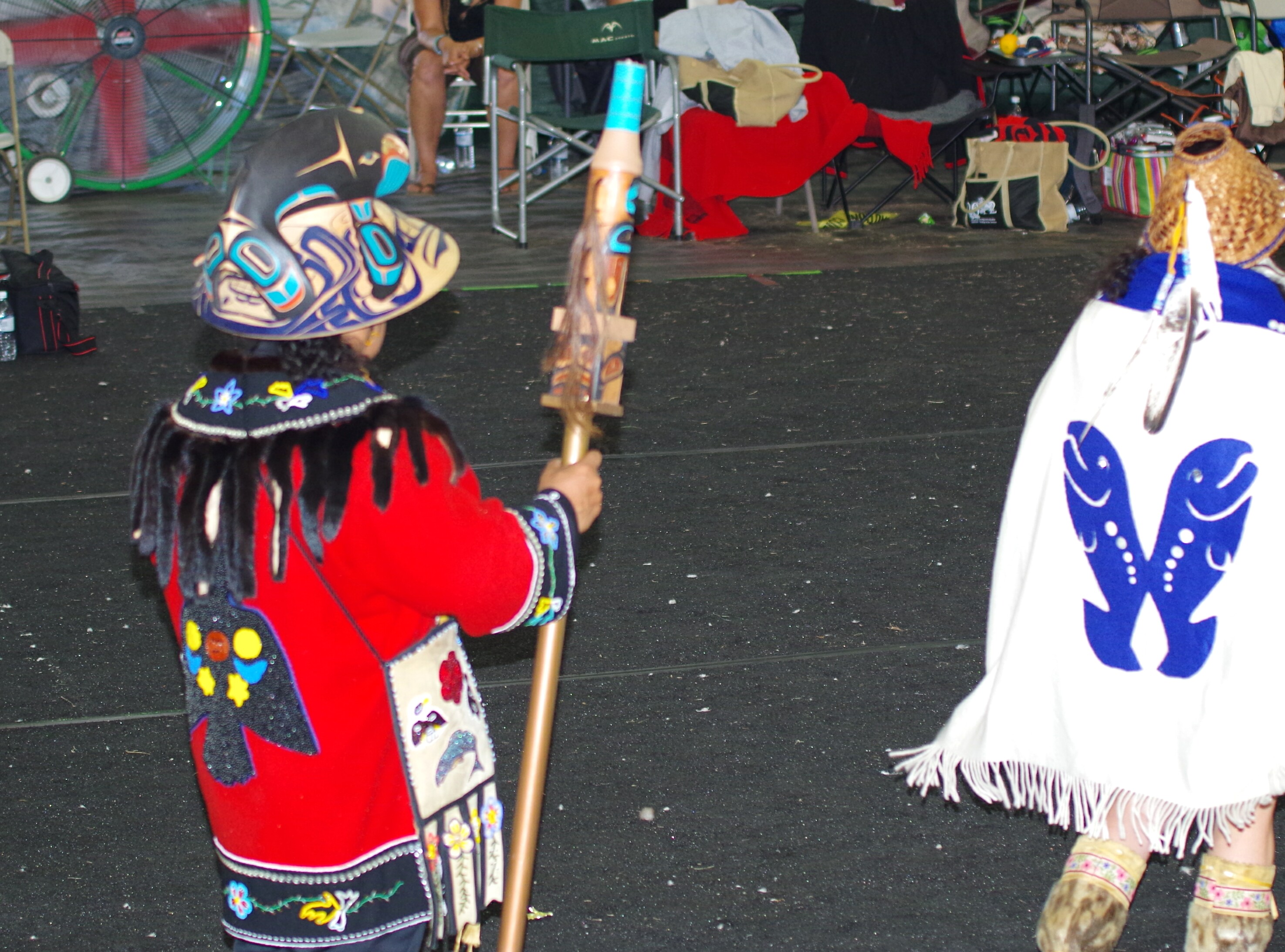
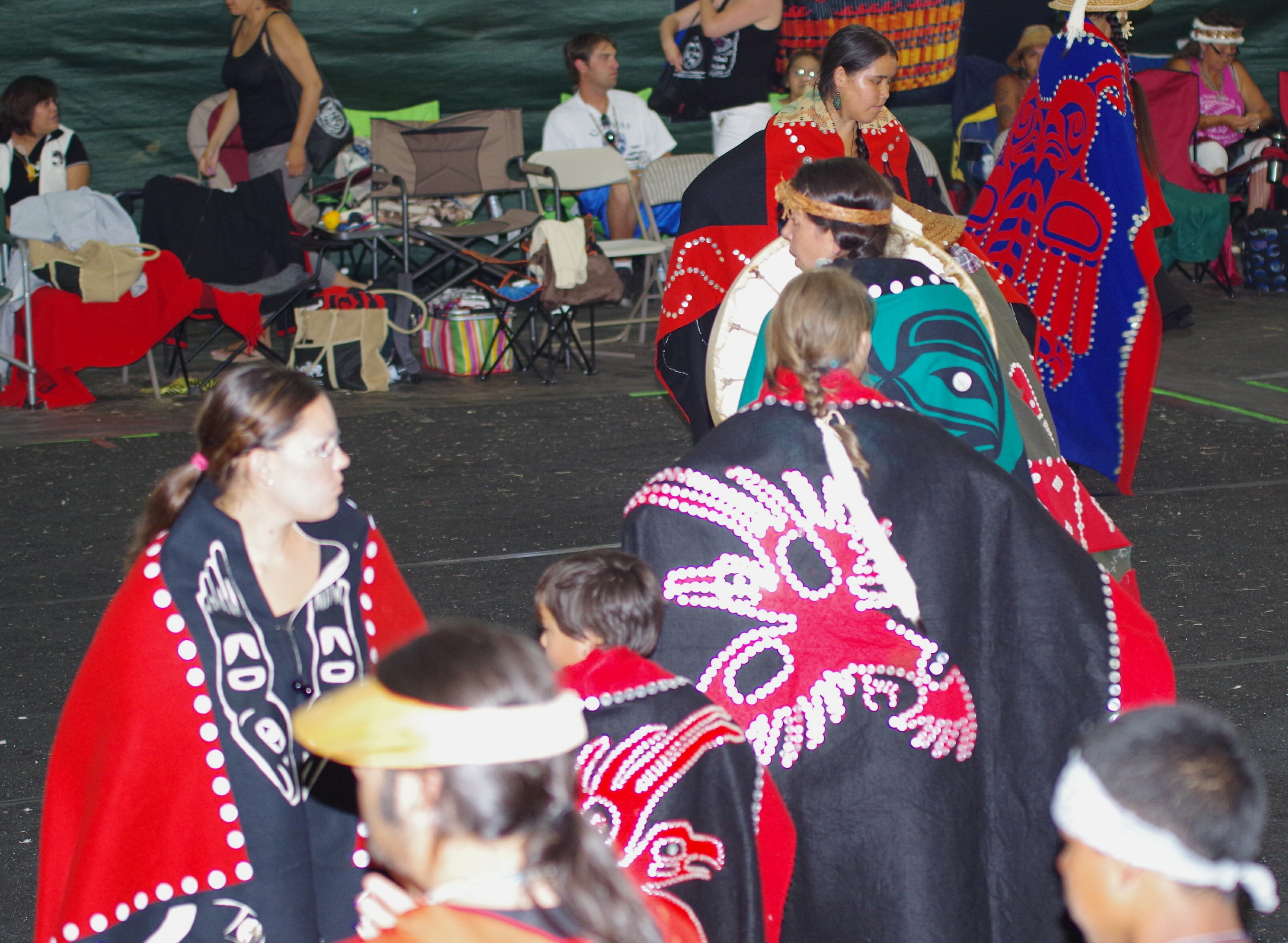
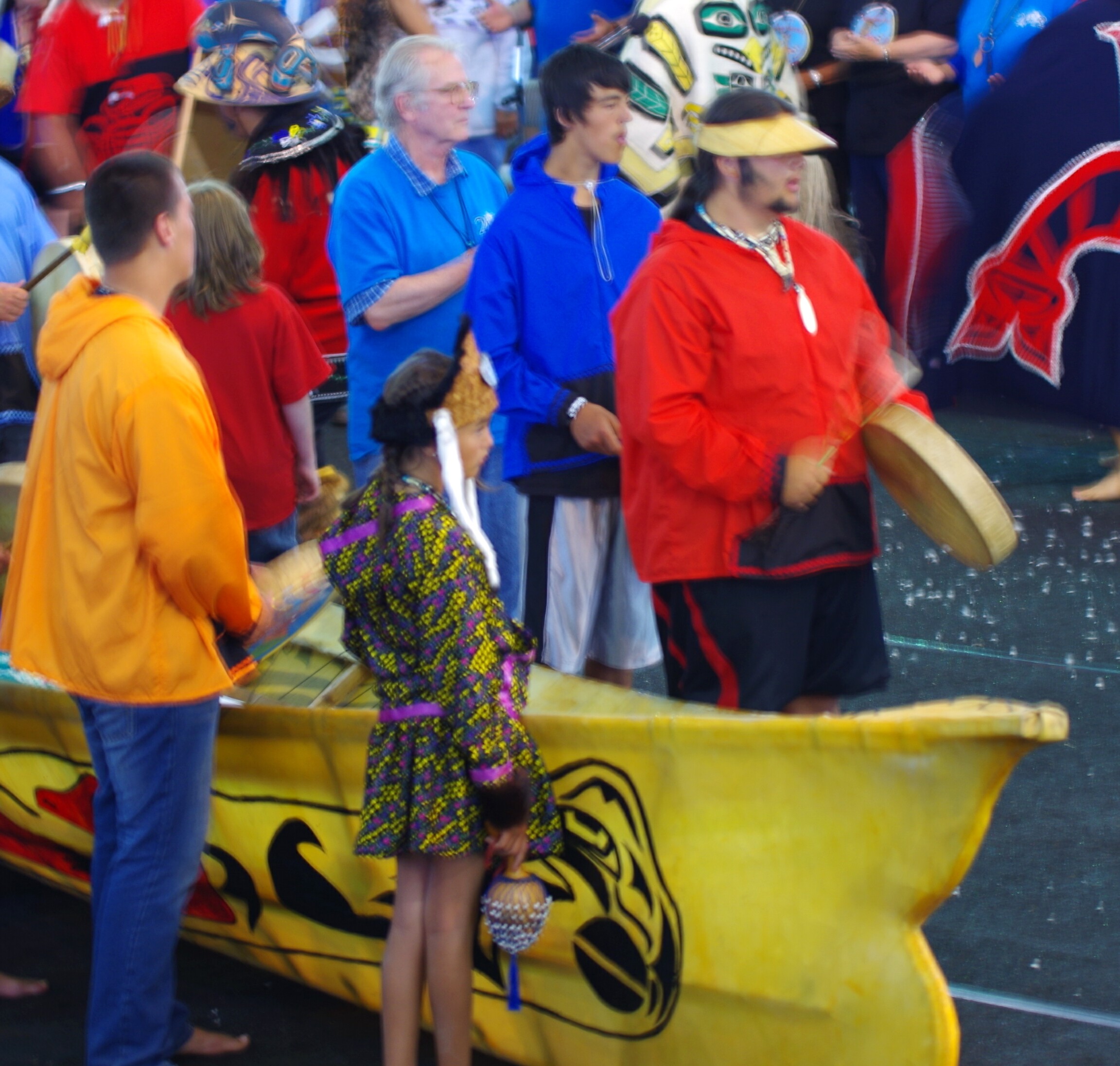
The Skokomish tribal members are close relatives of the Squaxin. Saturday morning, they gave thanks and offered their prayers/protocols at the reception center erected just for the 2012 Canoe Paddle Journey. Non-native guests were treated to chauffeur (shuttle) service from Little Creek Casino, et al, and the tribal center where the festivities were held. The place was packed, tents were erected everywhere on the reservation indicating the extreme level of attendance and interest.
The Squaxin were repeatedly lauded for their generosity and hospitality. They provided unlimited ice cold bottled water to all their guests and free food to visiting tribes for the duration.
The Squaxin Island tribe hosted the 2012 Canoe Paddle journey from along the PNW coast and through the Salish sea. About 100 traditional canoes made the journey with stops along the way culminating in the protocols/ceremonies of each tribe performed for the Squaxin elders. The public was welcome, the event well attended, the host tribal nation was generous, and over one million dollars was spent to prepare for the guests to the Squaxins’ homeland.
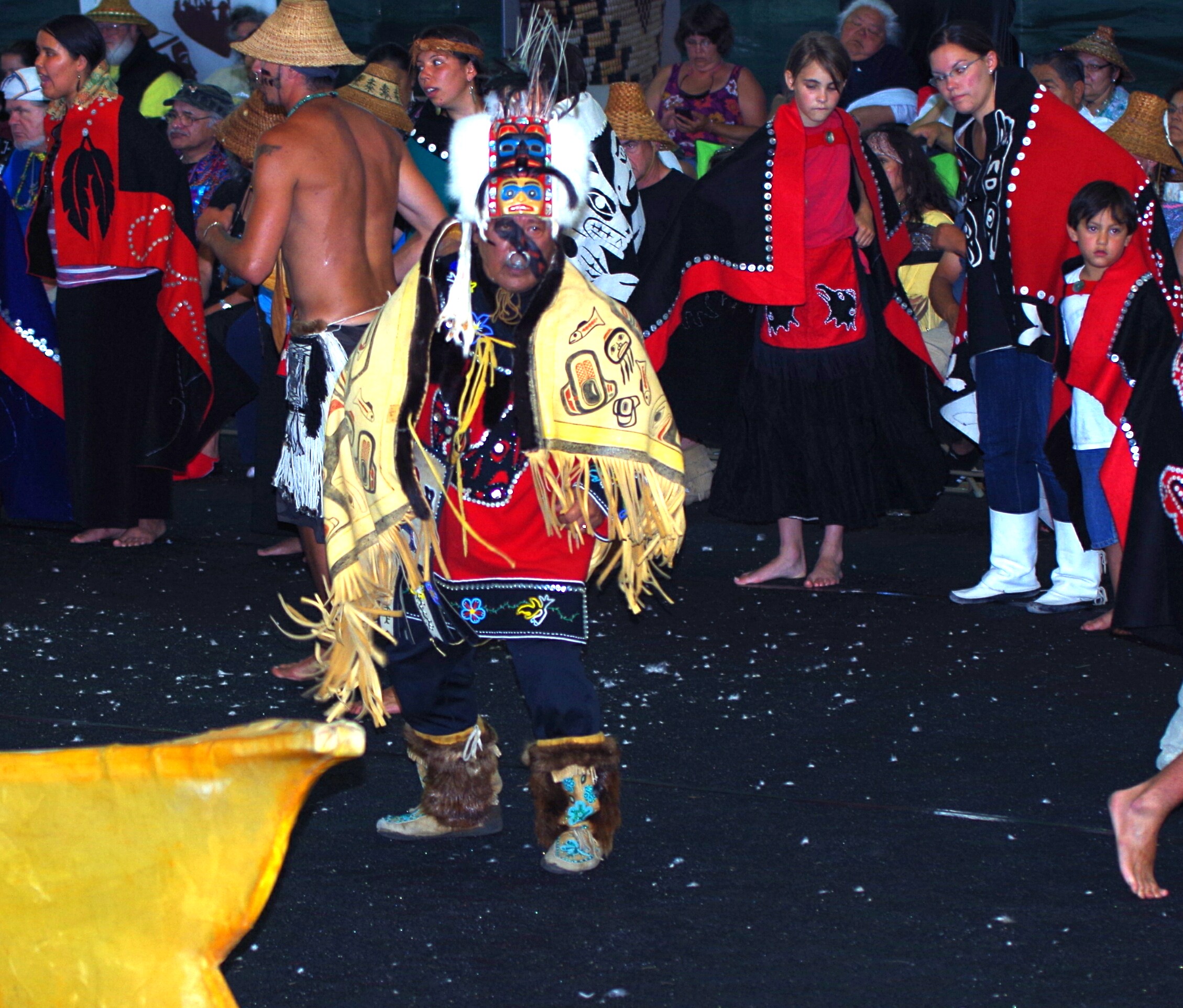
The video footage, music, dancing, traditional dress, good vibes, and heart warming family values extolling the First People’s long and rich heritage left many with moist eyes. A heavy emphasis on challenging young tribal men coming of age to exert their strength in a tenacious bid for character, discipline, and maturity was evident as the elders were honored, the youth encouraged to remain loyal to the traditional values of the tribe.
This is a culture that deeply values its young people along with its elders. While the dominant white culture indulges successful enterprises boasting of their profit margins and rate of expansion, the tribes (e.g. The Squaxin) boast of how many jobs they’ve brought to an area, what services they’ve been able to provide their people, what they’ve accomplished to sustain and protect their natural resources, and the degree to which their youth are faring well. The contrast is startling and a bit disturbing.
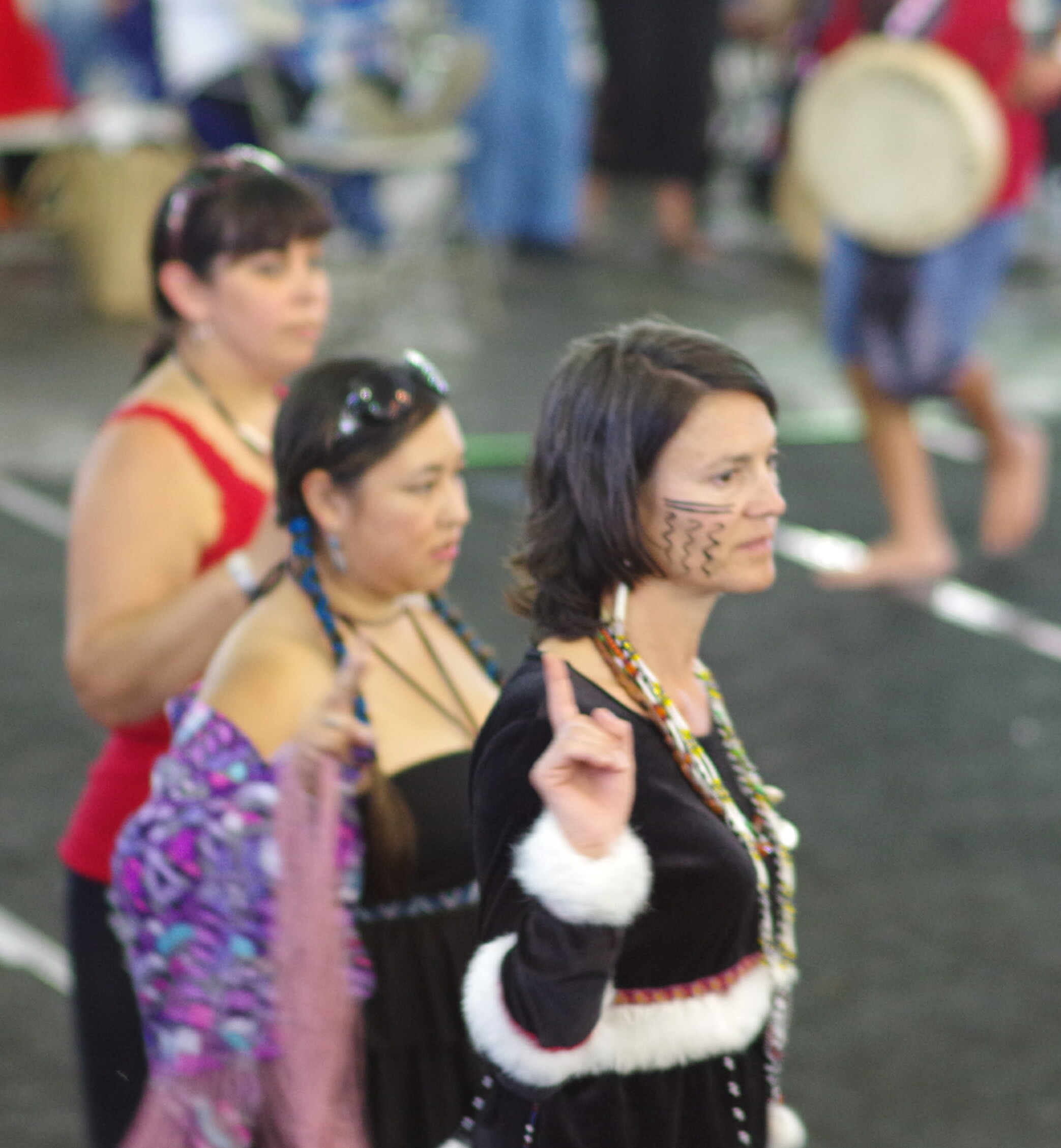
The following clips caught the tail end of the Skokomish protocols and all of the Tlingit, i.e. a native Alaskan tribe. The journey was long and arduous, but it challenged their youth who participated and helped them transition into proud disciplined dedicated adults, the pride of their communities.