TYPICALLY A judge warns an attorney to change his filter in this published (by the judge) clip containing DIRE WARNINGS TO THE PUBLIC NOT TO COPY or live stream it…this despite the fact the 1st, 6th, and 14th Amendments MANDATE these court proceedings be open and transparent…a right belonging as equally to the public as the litigants. Nevertheless, judges presume to extend their authority into the homes of non-disruptive observers who are neither litigants, witnesses, attorneys of record, victims, or jurors.
Judges have wide latitude to maintain order IN THEIR COURTROOM, i.e. within its 4 walls, but that doesn’t extend to observers outside the courtroom who are not creating a disturbance or distraction or attempting to communicate with any of the participants. In this reporter’s view, such warnings amount to an unlawful prior restraint. Neither the court nor the government has any legal potential of a copyright interest in the proceedings nor any compelling interest to censor observers from journaling the proceedings in any manner they choose absent interference or distraction from the proceedings.
THE JUDGE can sit on it as there is no copyright for work compiled by government or its officers using government facilities. ANY USE is, therefore, FAIR USE.
PLEASE, share this widely and encourage others to do the same. These judges are drunk with power. It may have been Ben Franklin who said, “The monarchists will hide in the judiciary.” Amen!
Shelton, WA (2-8-21) — This cause #21-2-00056-23 filed by Robert Charleston against Timothy Allen Mallea was heard on the ex parte calendar, 2-8-21. The voice you hear kibitzing in Bob’s ear is his friend, Jeffrey Denison, who prepared the paperwork for Bob we see the judge rejecting as inadequate/incomplete.
Timothy Allen Mallea (DOB: 11-26-83), Bob’s nemesis, is a registered sex offender convicted for molesting an underage girl (Mason #01-8-224-0), a serial DV abuser, drug addict, identity thief, bank fraudster, who attempted to pimp his young GF for $25 according to Bob, local police in Mason County, and a footlocker of public records/convictions stretching back for decades.
Police are very interested in finding Tim and reportedly have warrants for his arrest. He is known to sleep in the wood on the ground near the county dump and frequent the Little Creek Casino. It’s been said there’s a big drug house over by little creek run by a guy Tim Mallea is rumored to be well acquainted with that goes by casino rick and gives girls a place to stay and do drugs then whores them out at Little Creek Casino.
Case Information
21-2-00056-23 | ROBERT HENRY CHARLESTON vs TIM ALLEN MALLEA
Case Number 21-2-00056-23
Court Mason
File Date 02/05/2021
Case Type VAP Vulnerable Adult Protection Order
Case Status Active
Party
Respondent (WIP) MALLEA, TIM ALLEN
DOB XX/XX/1983
Petitioner (WIP) CHARLESTON, ROBERT HENRY
DOB XX/XX/1947
Events and Hearings
02/05/2021 Confidential Information Form
02/05/2021 Petition for Vulnerable Adult Protection Order
View Document Petition for Vulnerable Adult Protection Order
Telephone the County Clerk in the county in which Decedent resided at death (Telephone Numbers) and ask to speak to the probate clerk: Determine if there are any requirements specific to that county or other requirements that it would be helpful for you to know before going to Court. For example: Requirement Specific to King County. Complete any of the foregoing requirements that may be applicable to you and set aside any resulting form that you have completed until you go to Court.
Make sure to bring, and stamp as conformed, a copy of every document that you file.
The Issue: Putting the world on notice that:
Decedent has died;
You are serving as Notice Agent for Decedent’s nonprobate estate; and
Any creditor of Decedent has four months to present his/her/its claim against the estate or be barred.
PUBLISHING A NONPROBATE NOTICE TO CREDITORS
RCW 11.42.20(2) requires you to publish a Nonprobate Notice to Creditors. To do so:
You have already completed and filed the Nonprobate Notice to Creditorsform. Now, publish a conformed copy of it according to statute (RCW 11.42.020(2)), namely, once each week for three successive weeks in a legal newspaper in the county in which Decedent resided at death.Timing: Promptly after your appointment as Notice Agent.
Promptly following the third publication, file an Affidavit of Publication: To obtain the benefits of publishing a Nonprobate Notice to Creditors, RCW 11.42.020 requires a Notice Agent to file an Affidavit of Publication, showing that the Nonprobate Notice to Creditors has been published according to law. Following its third publication, most newspapers, after getting paid, and at no further charge, will prepare and either:
File the required Affidavit of Publication with the pertinent Court and send you a copy of it, or
Send you the original of their Affidavit of Publicationfor you to file.
Caution: When you send your Nonprobate Notice to Creditors to the newspaper for publication, make sure to obtain that newspaper’s policy regarding the disposition of its Affidavit of Publication(ie, will the newspaper mail the Affidavit to you or file it with the Court itself),and after publication, make sure that the original of the Affidavit of Publication is filed with the Court, either by the newspaper or by you.
The Issue: Putting the WDSHS on notice that Decedent has died, so that the Department may file and serve a Creditor’s Claim for recovery of any medical costs and other benefits advanced to Decedent.
GIVING NOTICE TO WASHINGTON DEPARTMENT OF SOCIAL & HEALTH SERVICES (“WDSHS”)
RCW 11.42.020(2)(d) requires you to give written notice to the WDSHS. To do so:
Add Decedent’s Social Security Number to the form,
Mail a copy of it to the WDSHS at the address shown on the form, and
File its original with the Court (with copy for conformation and return to you).
Caution: The Nonprobate Notice to Creditors form is the generic form. The Nonprobate Creditor’s Notice to WDSHS & Declaration of Mailing form, the one referenced immediately above, is a Nonprobate Notice to Creditors form that has been customized specifically to be sent to the WDSHS and filed with the Court along with its self-contained Declaration of Mailing. Make sure that you select the correct form for your intended purpose.
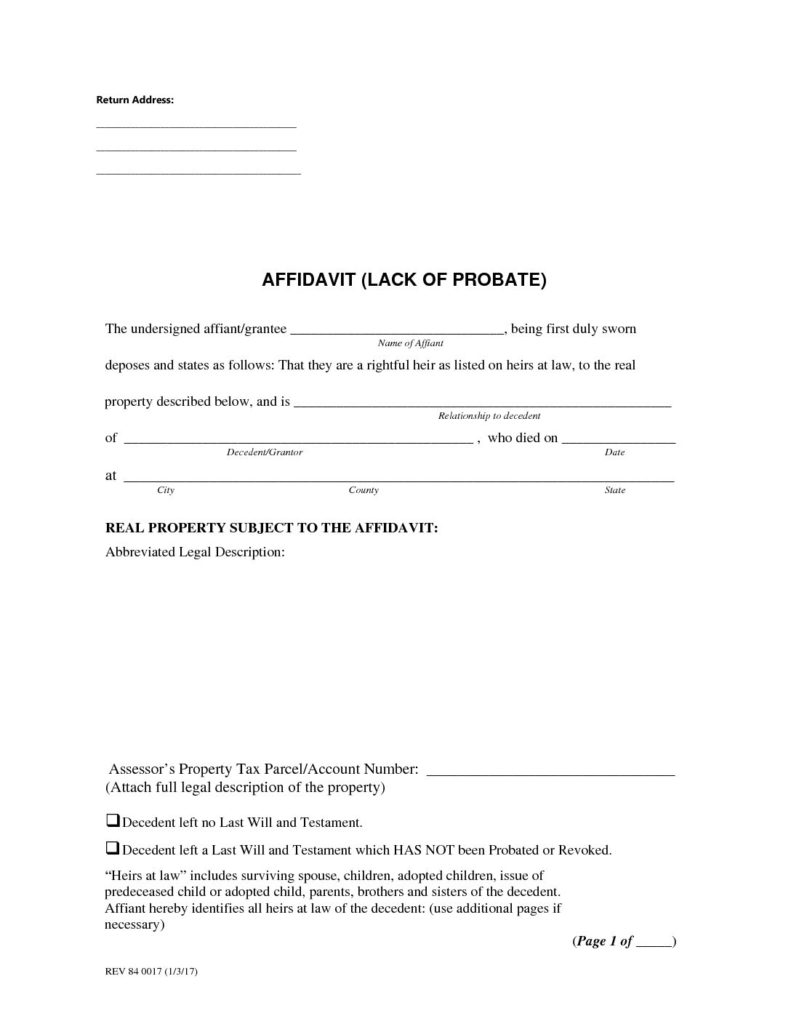
The (end run) Affidavit Lack of Probate (or “No Probate”) is a factual confirmation which supports/avers that the rightful heirs are entitled to their interest in the property after the passing of the Decedent. It is recognized in many Washington Counties as a way to clear the Decedent’s name off title as an alternative to a probate. It may work for the estate of any Washington State property owner, whether the Decedent was a U.S. Citizen, U.S. Tax Resident, or Canadian Non-U.S. Resident.
The “Affidavit Lack of Probate” name is deceiving in that it only refers to the absence of a probate in the County where the real estate is located in Washington. When, in fact, the Decedent’s estate may have already been probated in another jurisdiction where he or she was a resident. A common scenario involves a British Columbia resident, for example, who owns a vacation property in Whatcom County, Washington. Upon the death of the property owner it will be necessary to clear title to the Washington property regardless of any probate in British Columbia where the Court does not have the authority to do so. Whether or not the property owner had a Will, the Affidavit of Lack of Probate when recorded in Whatcom County should avoid a second (or “ancillary”) probate.
At the same time, the Affidavit of Lack of Probate can also be very effective when a Washington resident owns real estate in Washington and there may be no need to file a probate. This scenario may involve a smaller estate, or even a larger estate, with Washington property, when there are limited heirs, and no creditors. When the Affidavit of Lack of Probate is recorded it should avoid a probate in the first place.
And in limited cases, the Affidavit of Lack of Probate is often a recognized way to avoid probate when the Decedent did not have a Trust, Joint Tenancy with Rights of Survivorship, Community Property Agreement or some other non-probate alternative in place.
Once the Affidavit is recorded with the County Auditor, the net effect is to vest title to the beneficiary(ies) named in the Decedent’s Will, or to the “rightful” or legal heir(s) if the Decedent did not have a Will. In order to determine the “rightful” heir(s) look to the Washington Intestacy Statute, RCW 11.04.015, which spells out the order of distribution.
Before recording the Affidavit of Lack of Probate it is important to comply with any U.S. Estate Tax obligations. A U.S. Estate Tax Return may have to be filed. And/or it may be necessary to obtain a transfer clearance certificate from the IRS.
It is recommended that the beneficiary(ies) or heir(s) consider buying title insurance if not already in place to insure their vested interest in conjunction with recording the Affidavit of Lack of Probate.
PROS
1. Avoids Probate. 2. Should vest title in Washington State Real Estate to the beneficiary(ies) named in the Decedent’s Will, or the “rightful” legal heir(s) if the Decedent died without a Will. 3. Cost effective and less expensive than an ancillary probate. 4. Exempt from Washington State Real Estate Excise Tax. 5. Title Companies may insure the interest of the beneficiary(ies) or heir(s) when the Affidavit is recorded. 6. The beneficiary gets a full-stepped up basis for U.S. tax purposes, meaning that he or she assumes the fair market value of the real estate at the date of death in the event of a future sale or transfer.
CONS
1. The Affidavit is not a deed or conveyance which is the legally recognized way to transfer title. 2. The Affidavit is not a judicial determination but merely a factual confirmation that the beneficiary(ies) in the Decedent’s Will or the heirs in an Intestacy should be entitled to their interest in the property. 3. The Affidavit may not satisfy the future warranty obligations of a Grantor in subsequent conveyances by Statutory Warranty Deed. 4. When there is a need to file a probate to: (a) access a safe deposit box; (b) deal with creditors and publish Notice of Creditors to impose a shorter time for unknown creditors to respond; (c) litigate on behalf of the Estate; (d) find heirs whom are not easily identifiable; (e) or for other compelling reasons. 5. Some Washington Counties do not recognize the Affidavit as a way to transfer title, such as, in King County.
The above list is not exhaustive. There are other pros and cons.
Other non-probate methods should also be considered, including a Trust, Joint Tenancy with Rights of Survivorship, and Tenancy in Common. I recommend you also read the following blog articles about the Transfer on Death Deed (“TODD”)Community Property Agreement, because these non-probate methods may be more advantageous.
The above is not intended to be legal advice but is general information provided as a courtesy.
Representative Washington Legal Newspapers & Costs of Publishing a Nonprobate Notice to Creditors
County
Newspaper
Telephone
Base Rate
Estimate
Adams
Asotin
Benton
Tri-City Herald
509 582-1464
$15.28/in + $14.11/in
$250
Chelan
Wenatchee World
509 661-6370
$15.66/in
$300
Clallam
Peninsula Daily News
360 417-3556
$9.00/in
$150-200
Sequim Gazette
360-683-3311
$7.50/in
$115
Clark
Battleground Reflector
360 687-5151
$70 Flat
Vancouver Columbian
360 993-5050
$1.35/L
$200-250
Columbia
Cowlitz
Longview Daily News
360 577-2568
$1.01/L + $0.92/L
$150-200
Douglas
Ferry
Franklin
Tri-City Herald
See Benton
Garfield
Grant
Grays Harbor
Aberdeen Daily World
360 532-4000
$11/in
Montesano Vidette
360 249-3311
$140 Flat
Island
Jefferson
King
Daily Journal of Commerce
206 622-8272
$102 Flat
Pacific Publishing Co. (4 papers)
206 461-1302
$105 Flat
Kitsap
Bainbridge Review
206 842-6613
$13.50/in
$300
Bremerton Sun
360 415-2687
$10.12/in
$250
Kittitas
Klickitat
Lewis
Centralia Chronicle
360 736-3311
$1/L
$175-250
East County Journal
360 496-5993
$6.50/in
$100
Lincoln
Mason
Okanogan
Pacific
Pend Oreille
Pierce
Tacoma Daily Index
253 627-4853
$108 Flat
San Juan
Skagit
Skamania
Snohomish
Everett Herald
425 339-3100
$12.60/in = $0.90/L
$175
Spokane
Cheney Free Press
509 235-6184
$115 Flat
Deer Park Tribune
509 276-5043
$7.50/in
Spokane Spokesman Review
509 459-5121
$2.81/L
$425
Stevens
Thurston
Olympia Olympian
360 704-6884
$1.83/L
Nisqually Valley News
360 458-2681
$120 Flat
Tenino Independent
360 264-2500
$6.50/in
Wahkiakum
Walla Walla
Waitsburg Times
509 337-6631
$5.35/in
$80-120
Walla Walla Union-Bulletin
509 525-3300
$7.30/in + $6.37/in
$100-150
Whatcom
Bellingham Herald
360 676-2600
$1.71/L + $1.52/L
$300
Whitman
Yakima
Yakima Herald
509 577-7740
$17.53/in + $14.03/in
Notes:
1. “Flat” means the total charge for publishing any Notice to Creditors 3 times.
2. “/in” means the charge for one publication per inch of copy. The Everett Herald said that with the printing type that they use, $12.60/in is equivalent to $0.90/L, so these two different ways of quoting charges may be related on the basis of 1 inch = 14 Lines (at least for the style of type used by the Everett Herald).
3. “/L” means the charge for one publication per line of copy.
4. If more than one rate is given, the first rate is the charge for the first publication and the second rate is the charge for each successive publication.
5. “Estimate” means that newspaper’s average charge for publishing a Notice to Creditors 3 times. Many salespersons indicated that a Notice to Creditors was seldom shorter than 5 inches, usually was around 7 inches, and occasionally was over 10 inches (eg, multiple Personal Representatives, each with their own attorney). Consequently, the total charge for publishing a 7 inch Notice to Creditors 3 times at a charge of $10/in would be 7 x 3 x $10 = $210.
6. Many papers charge more for weekend or Sunday publication. The above charges are all for weekday publication.
7. Most newspapers’ charge includes their fee for supplying an Affidavit of Publishing, but some do not (eg, Olympia Olympian: $8.50, Bellingham Herald: $13).
8. The rates shown above were obtained in December, 2002 for publication in January, 2003.
9. Many counties, and most of the more populous counties, have not only a “popular” newspaper but also a “commercial” newspaper that has a lower, often “flat” rate. Publication at the lower rate produces just as “legal” a notice as does publication at a more expensive rate.
10. If the above list omits a newspaper in your county:
From that county’s directory, obtain the phone number of its Superior Court Clerk’s Office.
Telephone the Clerk and ask for the names of the newspapers where Probate Notices to Creditors are usually published for that county — many of the clerks will provide two or three.
Use Google to obtain the website for each newspaper.
From that newspaper’s website, obtain the phone number for its classified department.
Telephone the newspaper, ask to speak to “Legal ads”, and obtain the rate.
King County Case Assignment Designation
King County Local Rule LR 82(e)(1) requires every initial pleading (eg, a Petition for Letters) filed in the Superior Court to be accompanied by a special form in which the petitioner states whether the case fits within the Seattle or Kent Case Assignment Area. For probate cases, the proper area is whichever of the following two areas where the Decedent resided or, if the Decedent did not reside in King County, where any asset of the estate may be:
Seattle Case Assignment Area. All of King County north of Interstate 90 and including all of the Interstate 90 right-of-way; all of the cities of Seattle, Mercer Island, Bellevue, Issaquah and North Bend; and all of Vashon and Maury Islands.
Kent Case Assignment Area. All of King County south of Interstate 90 except those areas included in the Seattle Case Assignment Area.
Need Professional Help? Talk to a Probate Attorney.
Washington offers two probate shortcuts. These procedures make it easier for survivors to transfer property left by a person who has died. You may be able to transfer a large amount of property using simplified probate procedures or without any probate court proceedings at all. And that saves time, money, and hassle.
Here are the ways you can skip or speed up probate. (If the affidavit procedure is used, there’s no need to use the simplified probate procedure.)
Claiming Property With a Simple (Small Estate) Affidavit
Washington has a procedure that allows inheritors to skip probate altogether when the value of all the assets left behind is less than a certain amount. All an inheritor has to do is prepare a short document, stating that he or she is entitled to a certain asset. This document, signed under oath, is called an affidavit. When the person or institution holding the property — for example, a bank where the deceased person had an account — gets the affidavit and a copy of the death certificate, it releases the asset.
The out-of-court affidavit procedure is available in Washington if the value of assets subject to probate, not counting the surviving spouse’s or domestic partner’s community property interest, less liens and encumbrances, is $100,000 or less. There is a 40-day waiting period. Wash. Rev. Code § § 11.62.010 and following.
The affidavit must state:
your name and address
the reason you are the rightful owner of the property
the deceased person was a Washington resident at the time of death
the value of the estate is less than that described above
all of the deceased person’s funeral and burial expenses and other debts have been paid, and
a description of the personal property and which portion you are requesting.
You must give written notice to the other inheritors at least 10 days before filing the affidavit. You must also give the department of social and health services a copy of the affidavit and the deceased person’s Social Security number.
Simplified Probate Procedures
Within its regular probate process, Washington offers a simplified version of probate to certain estates. If the estate is eligible, the court may authorize the personal representative to distribute the assets without any supervision from the probate court. To use this process, the personal representative must file a written request with the local probate (superior) court.
The court may grant a request for “settlement without court intervention” if the estate is solvent (has enough assets to pay valid debts and taxes) and:
if there is a will, the personal representative named in the will makes the request, or
if there is no will, the surviving spouse or domestic partner makes the request, the estate consists entirely of community property, and the deceased person left no children or grandchildren from another relationship, or
the personal representative is not a creditor of the deceased person, and the court determines it would be in the best interests of the beneficiaries and creditors.
The personal representative collects the assets of the estate, pays claims, and files an accounting. The personal representative can file an application for a court order to close the estate. This order either:
states that the personal representative paid all approved claims, determines the people who should receive the property, and distributes the property to these people, or
approves the personal representative’s accounting and orders the case closed.
The application must state the amount of money the personal representative is requesting for his or her services, for attorney services, and the services of other professionals (like accountants or appraisers). The personal representative must give notice to all inheritors and known creditors before filing this application. Wash. Rev. Code Ann. § § 11.68.100.
If the personal representative doesn’t file an application for a court order, he or she must file a declaration that states:
the deceased person’s date of death and address
whether the deceased person had a will (the date of the will and the date of the court order recognizing the will as valid, if there is one)
the names, addresses, and relationship to the deceased person for each heir of the deceased
the share of each heir of the deceased, if there is no will
that the personal representative paid all presented creditor claims
that the personal representative paid any estate taxes due
the fees paid to the personal representative, lawyers, appraisers, and accountants
that the personal representative believes these fees are reasonable and don’t require a court order for payment, and
that the personal representative completed all responsibilities and the estate is ready to be closed.
Within five days of filing this declaration, the personal representative must mail a copy of the decladration to each heir and beneficiary. The mailing must include specific language that explains the declaration’s purpose and power. Wash. Rev. Code Ann. § § 11.68.110.
For More Information
For help determining if an estate qualifies for one of these probate shortcuts, or handling an estate in general, see The Executor’s Guide, by Mary Randolph (Nolo) or Estate Planning Basics, by Denis Clifford (Nolo).
Mom just passed away, and the family wants to sell the home. This is a listing with a motivated seller. But who actually owns it?
Of course, the family home (if it isn’t in a trust) will automatically go to the surviving spouse without the need for a probate. But, what about a married person who owned the house as separate property, or Mom who was widowed? Washington law (RCW 11.04.0115) identifies heirs at law who inherit when there is no will, including (in this approximate order) the spouse, children and grandchildren, parents, siblings and children of siblings.
A formal probate allows for the protection and orderly distribution, after payment of debts, of the assets of the deceased to heirs and/or devisees or a sale to a third party by the personal representative. Nonetheless, even though Washington probates are not expensive or time consuming, they often are not done. But how else will the buyer know that all of the title interest is properly conveyed? What if there are valid liens (including estate taxes or state Medicaid reimbursements) against the estate that would otherwise be paid in probate? That is where the “lack of probate” concept comes into play.
Vesting
Title to property of a decedent immediately vests in either devisees (if there is a probated will) or the heirs (if there is no probated will), even if the identity of those parties are unknown at that time – with or without a will, and with or without a probate.
With or without a will
When someone dies, that person will be either testate (with a will) or intestate (without a will). Both can be probated – but it’s not required, even though RCW 11.20. 010 says a will must be filed with the county superior court.
In order for the title company to identify who these people are, or whether there is an unprobated will (which could give an interest to a non-relative or charity), it uses an affidavit. The affidavit, usually signed by a relative, must identify all these interests – including the estranged prodigal son who’s been incommunicado for years. It says when and where the deceased lived and died, and identifies any unprobated will or foreign probate. Finally, it states whether Mom received Medicaid benefits, and identifies the value of the estate for estates tax purposes. Based on this information, and deeds from all potential claimants and releases of liens, the title company can usually assume the risk of future claims and insure clear title in the buyer.
Keep in mind that this can be used when the will is probated in another state. Since foreign courts don’t have jurisdiction in Washington, an ancillary court action can be opened in Washington Superior Court that essentially blesses what the foreign court orders. Again, however, that expense and bother can be avoided with the lack of probate approach.
The Realtor® can help the family gather this information and get it to the title company so that the closing can take place and everyone is happy.
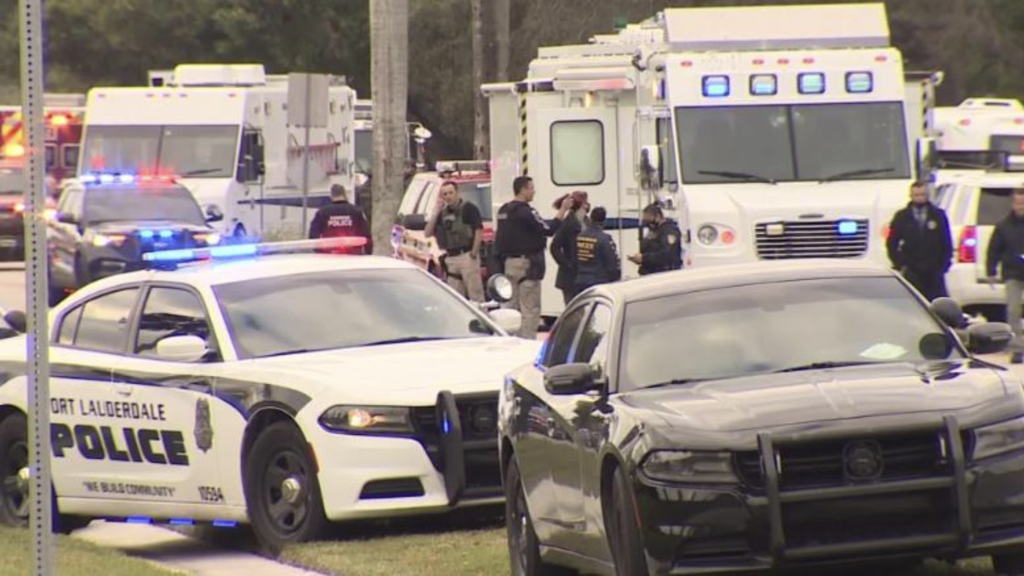
Ft. Lauderdale, FL (2-2-21) —Two FBI agents were fatally shot and three agents were wounded in a shootout as they executed a search warrant in Sunrise, Florida, on Tuesday morning, the FBI said.
The subject of the warrant is dead, the FBI said in a statement.
The shooting occurred at about 6 a.m. as a team of law enforcement officers executed the federal court-ordered search warrant as part of a violent crimes against children case, according to a statement from FBI Miami Special Agent Michael D. Leverock and spokesman Jim Marshall.
Two of the injured FBI agents were taken to the hospital and are in stable condition, while the third injured agent was not hospitalized, officials said.
FBI Director Christopher Wray identified the deceased agents as Special Agent Daniel Alfin and Special Agent Laura Schwartzenberger.
“Every day, FBI Special Agents put themselves in harm’s way to keep the American people safe.Special Agent Alfin and Special Agent Schwartzenberger exemplified heroism today in defense of their country,” he said in a statement. “The FBI will always honor their ultimate sacrifice and will be forever grateful for their bravery.”
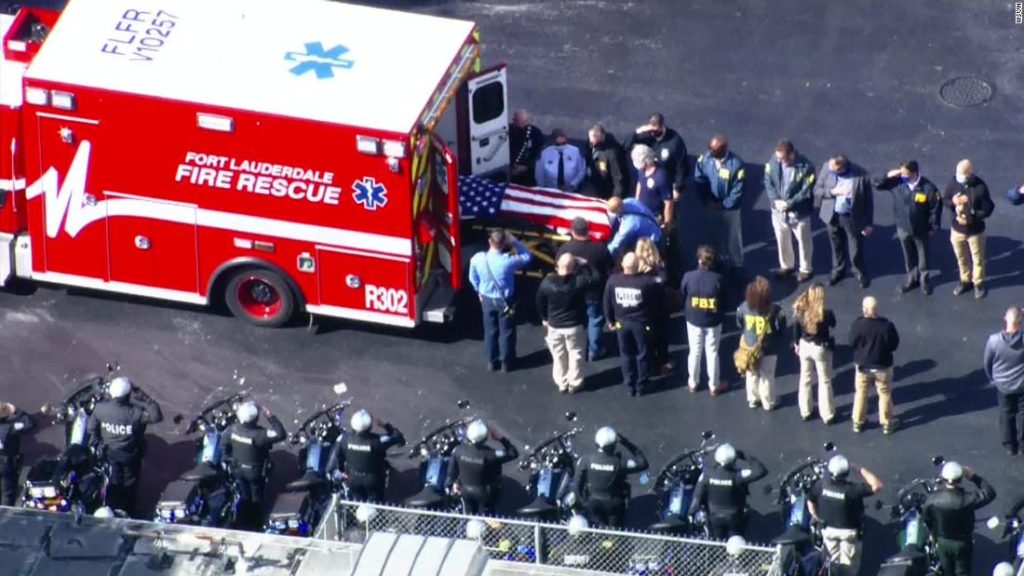
A body draped in an American flag is transported from an ambulance following the fatal shooting of two FBI agents in Sunrise, Florida, on Tuesday.
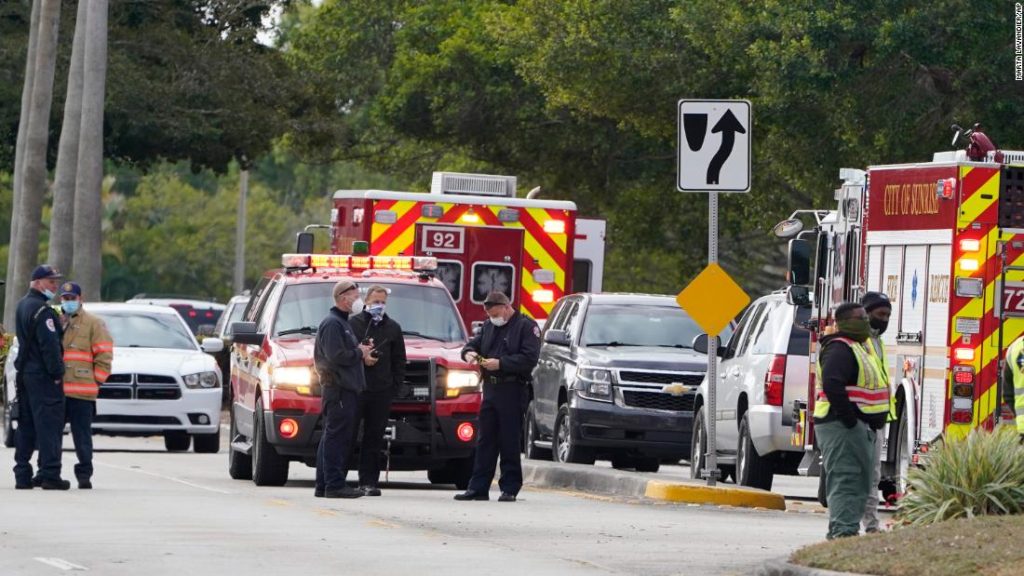
The shooting took place at the Water Terrace apartment complex, an upscale gated community outside Fort Lauderdale, at 6:04 a.m., according to Sunrise Police spokeswoman Otishia Browning-Smith. The person who officers were looking for had barricaded himself, she said.
The shootout, one of the deadliest in FBI history, brought a major law enforcement response to the area.
Video from CNN affiliate WSVN shows an ambulance driving from the scene to the Broward Medical Examiner’s Office at about 10:30 a.m., escorted by a group of law enforcement officers on motorcycles. Once there, a body on a gurney draped in an American flag was wheeled into the building as a line of officers saluted.
The FBI said its Inspection Division is investigating the shooting.
“The review process is thorough and objective and is conducted as expeditiously as possible under the circumstances,” the FBI statement said.
Last FBI agent fatally shot was in 2008
Law enforcement officers block an area where a shooting killed two FBI agents on Tuesday in Sunrise, Florida.
The FBI Agents Association (FBIAA) offered condolences to those injured and said the search warrant was in connection with suspected possession of child pornography.
“These Agents were working to protect the most vulnerable in our society. FBIAA stands with the Agents’ families and pledges our support to them during this difficult time,” FBIAA President Brian O’Hare said in a statement.
Tuesday’s mass shooting marks the first time since 2008 that an FBI agent was fatally shot on duty. In that case, Special Agent Samuel S. Hicks was shot and killedwhile trying to serve an arrest warrant in a drug trafficking case at a home near Pittsburgh.
The Sunrise shooting is also similar to a deadly firefight 35 years ago outside Miami that was a turning point in the FBI’s history. On April 11, 1986, two violent bank robbers being pursued by FBI agents opened fire with high-powered firearms, killing two agents and wounding five others before the suspects were killed.
In the aftermath of the shootout, the FBI issued special agents with semi-automatic handguns rather than revolvers, changed its firearms training, and studied the psychological impacts of being shot at, former FBI deputy director John S. Pistole said in 2006.
In 2015, a new federal building in Miramar, Florida, housing the FBI Miami Field Office was dedicated the “Benjamin P. Grogan and Jerry L. Dove Federal Building,” named for the two agents who died that day.
A Missouri senator on Monday pitched a bill that would allow the use of deadly force against protesters on private property and give immunity to people who run over demonstrators blocking traffic.
COLUMBIA, Mo. (AP) — A Missouri senator on Monday pitched a bill that would allow the use of deadly force against protesters on private property and give immunity to people who run over demonstrators blocking traffic.
The proposal is one of several that follow sometimes violent protests in Missouri last summer over the death of George Floyd in Minneapolis police custody, including demonstrations that blocked traffic on busy roads in the St. Louis area.
“To think that your right to protest enables you the right to stop traffic and literally stop people’s ability to move about freely in this nation is a gross misunderstanding of our constitutional rights,” bill sponsor Sen. Rick Brattin said during the Monday hearing.
The Harrisonville Republican said blocking traffic can be dangerous if it stops ambulances or police from responding to emergencies.
Missouri civil rights leader the Rev. Darryl Gray told committee members that people also disagreed with how the Rev. Martin Luther King Jr. protested, but “those same methods that you seek to criminalize are the same methods that helped to destroy Jim Crow laws, segregation and destroyed centuries of hatred and bigotry.”
He asked lawmakers not to expand the use of deadly force to those outside of law enforcement.
“If this bill is enacted it would vilify non-violent protesters,” Gray said. “I don’t believe that any members of this august body would deliberately seek to shield drivers who willfully choose to run over protesters.”
Brattin’s bill targets unlawful assemblies on a number of fronts, including making it a felony crime to block traffic as part of a protest. It also would expand misdemeanor harassment laws to include causing emotional distress during protests.
“People can’t even go have a nice meal without being harassed, run out,” Brattin said. “I wanted to ensure that people are able to go and enjoy their freedoms and liberties just like anyone else should be able to.”
Government employees convicted of participating in unlawful assemblies could no longer be paid and would be stripped of all other employment benefits. Cities and counties would be cut off from any state funding if local officials make cuts to police budgets that are significantly deeper than cuts to other services, an effort to stymie activists’ calls to defund the police.
Anyone charged with assaulting a law enforcement official or first responder also no longer would be eligible for bond, probation or parole under the legislation.
The Kansas City police union supports the bill.
The Senate committee hasn’t yet scheduled a vote on the bill.
Every criminal defense attorney out there knows about filing a motion to dismiss a case, or filing a motion to suppress evidence. Typically these types of motions really won’t tip off the Prosecution about what the defense theory of the case is. Meaning if you file a motion to suppress drugs for example because of an unlawful search and seizure. If you lose that motion you’re not going to turn around and argue to the jury they need to find your client not guilty because the police officer didn’t have a sufficient basis to search your client.
But in criminal defense practice in Washington state, there is another kind of dispositive motion that can be filed that is not one of the constitutional motions discussed above. It is called a Knapstad motion. This motion, for the most part, is not usually granted. But it can be filed when the defense attorney feels that based on the facts in the report, there is insufficient evidence to meet one of the elements.
For example, lets say a client is charged with Negligent Driving First Degree in Seattle. But the reason the officer pulled the client over was because he was speeding. There were no other vehicles present. There was no chance of getting into an accident with another driver, vehicle, or property. They were simply arrested for Negligent Driving 1 because their alcohol level was less than the legal limit. Well, one way to try and get this charge dismissed is to argue there is insufficient evidence to establish the elements of the crime. Meaning the Prosecution cannot prove the driver was likely to endanger persons or property.
Lots of criminal defense attorneys in Seattle don’t like to file these types of motions for a couple of reasons. First, they are typically not granted, because all the Prosecution has to do is say the facts are in dispute, and we anticipate at trial the facts will establish one of the elements the Defense is arguing we can’t meet. The other reason is that if the defense loses the motion they effectively have tipped off the Prosecution on what their theory of the case is. So in the Negligent Driving First Degree example, the Defense would argue at trial there is no evidence to provide beyond a reasonable doubt the defendant was likely to endanger any persons or property because no observations were made to indicate that.
Sometimes my practice as a DUI lawyer in Seattle, I like to lay in the weeds when one of these issues arise. Meaning I won’t file a Knapstad but instead lay in the weeds at trial and then make a halftime motion to dismiss. Effectively arguing the same thing as a Knapstad motion.
A few weeks ago I did this very thing, and it worked out perfectly for a client of mine. I represented a client charged with Prostitution Loitering in Seattle. Meaning he was accused of soliciting a prostitute. However, based on my investigation of the case I felt there was no intentional solicitation on his part. He never discussed a sex act, no money exchanged hands. Really the only evidence against him was he was talking to an undercover officer posing as a prostitute, and he was in an area of high prostitution.
I thought about filing a Knapstad motion at first. And argue to a Judge pretrial there was insufficient evidence to convict him because there was no evidence of solicitation. But I felt it would be best to not tip off the Prosecution about this defense and proceed to a jury trial. Well as I suspected the Prosecution didn’t have much of a case. After I cross-examined their witnesses there was no evidence of solicitation on the part of my client. I established no sex acts were discussed. No money changed hands. My client didn’t repeatedly drive around trying to beckon any prostitutes. There was no cash found on him, condoms, or any other circumstantial evidence that could establish he was there doing what the Prosecution was.
So after the Prosecutor rested, I asked the Judge for a sidebar. Explained to the Judge that I would like to make a motion outside the presence of the Jury. The Jury was excused, and I proceeded to make a halftime motion. I argued that the Prosecution couldn’t establish a prima facie case against my client. Even if the evidence was viewed in the light most favorable to the Prosecution there was no evidence of intentional solicitation. Which is one of the things that needs to be proven in this type of a prostitution case? The Prosecution wasn’t prepared for this, and it caught them totally by surprise.
Ultimately the Judge agreed with me and dismissed the case. My client walked away a free man. Had I filed a motion earlier to dismiss based on this issue? I don’t think it would have been as successful. But because I laid in the weeds. Didn’t tip off the Prosecution on what my defense was. Then after they rested their case, I made my motion. And as you can see it worked out perfectly. So the moral of the story is. Sometimes you need to lay in the weeds as a defense attorney in Seattle, then pounce when the time is right.
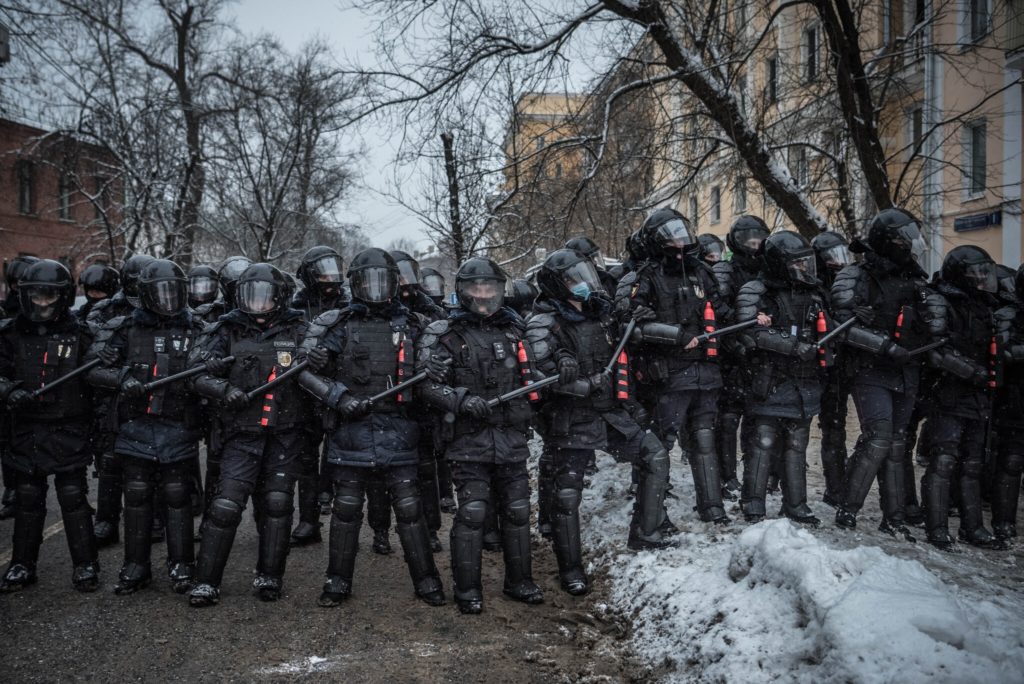
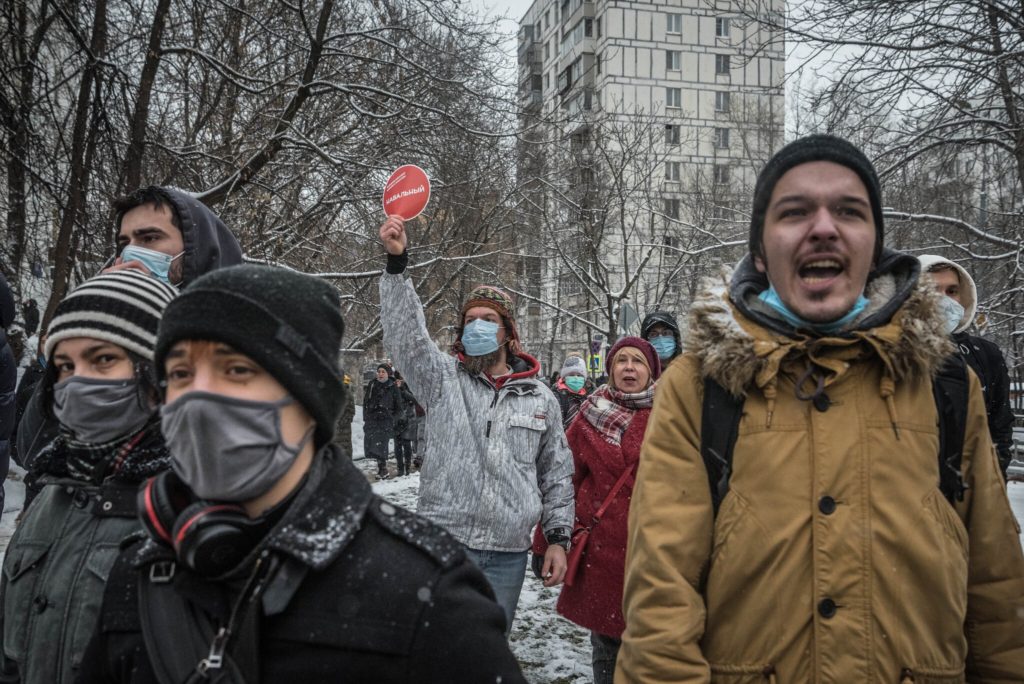
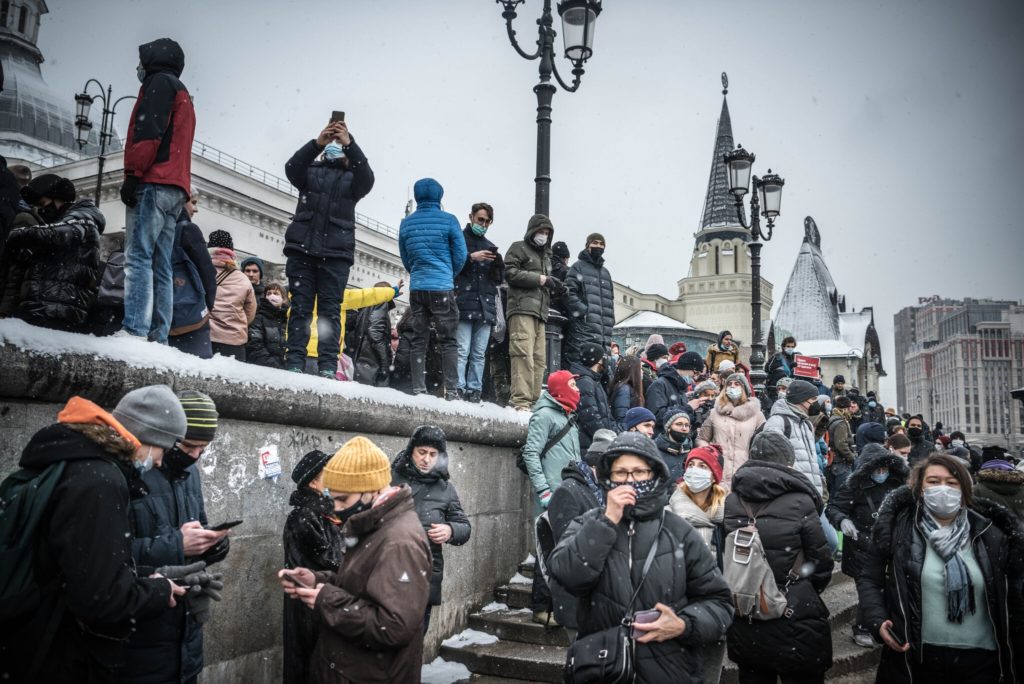
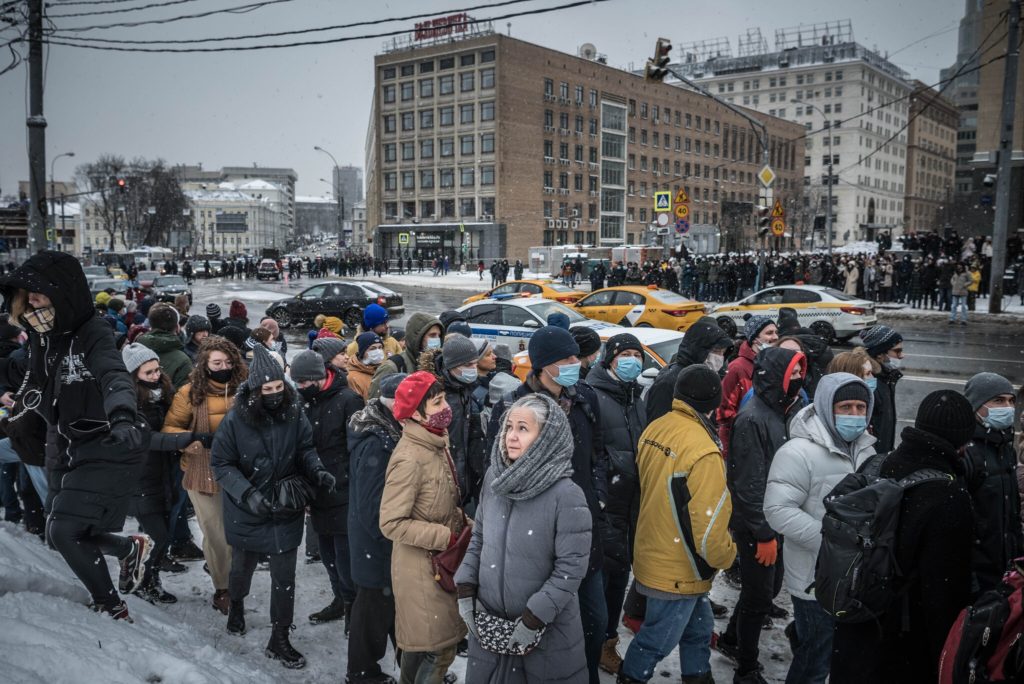
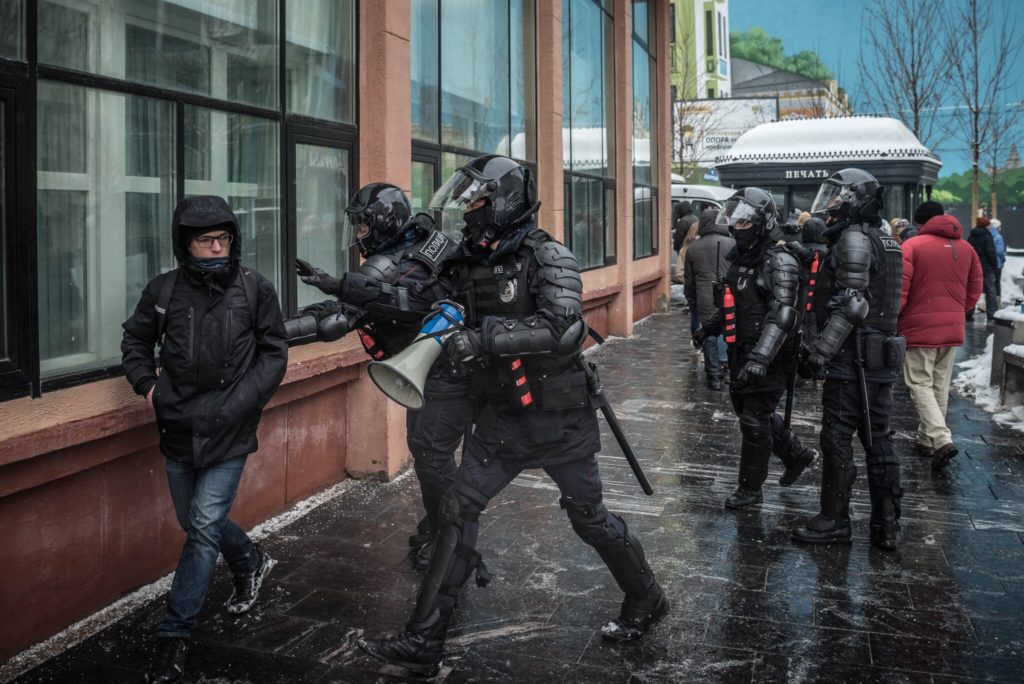
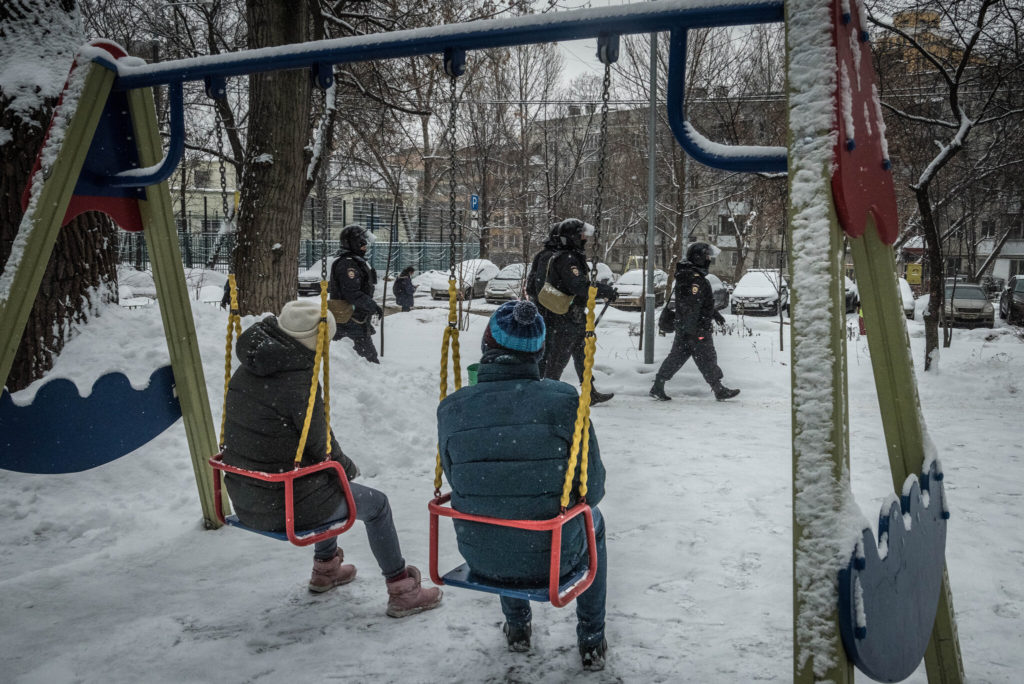
In Photos: Crowds of Police Couldn’t Quell Russia’s Pro-Navalny Protests
Tens of thousands of people turned out across Russia on Sunday for a second consecutive weekend rally in support of a jailed opposition leader, Aleksei A. Navalny. But where the protesters went, so did the police, meeting them in sometimes brutal clashes.
The protests started in Russia’s far east and swept across the vast nation, though crowds in some cities appeared to be smaller than last weekend. Demonstrators numbering in the thousands turned out in St. Petersburg, the Ural Mountains city of Yekaterinburg, Novosibirsk in Siberia, Moscow and elsewhere. More than 4,000 people were detained.
Even before Russians gathered, the Kremlin made it clear that police officers would be out in great numbers. Officers mostly responded with arrests. But by early Sunday afternoon, reports of police brutality against protesters had surfaced in several cities — including the possible use of electric shock devices on demonstrators and the beatings of others.
In Moscow, more than 1,200 protesters were detained, the OVD-Info activist group reported. The police shut down subway stations and paralyzed much of the city center as they scrambled to prevent protesters from gathering in one place.The show of force — and Kremlin anxiety — in Moscow was unlike any seen in recent years. “All for one and one for all!” a column of protesters, which numbered in the thousands, chanted as they marched through the city toward the jail where Mr. Navalny was being held.Protesters scattered across the northern part of Moscow’s city center played an hourslong game of cat and mouse with riot police officers in body armor and camouflage. Using Twitter and Telegram, Mr. Navalny’s supporters directed protesters farther north toward the city’s main train hub, sending columns of police trucks speeding in that direction.Mr. Navalny’s arrest has given a new focus to opposition to President Vladimir V. Putin, which had remained disparate even as his popularity fell.Protesters, young and old, came out in the capital. Among them was Lyudmila Mikhailovna, an 83-year-old retired pediatric doctor who declined to give her last name. She said she was no great fan of Mr. Navalny. But she had watched his video about a palace on the Black Sea he said was built for Mr. Putin and decided to join the protest because “I am for honesty, nothing else.”Mr. Navalny’s return to Russia on Jan. 17 shifted the political landscape facing the Kremlin — both at home and abroad. Inside the country, Russians unhappy with their president suddenly have a clear leader around whom to rally.The appeal of Mr. Navalny’s case for those who do not share his political views is that he is perceived as a symbol of the main source of the anger that many Russians feel toward the Kremlin: injustice.The authorities had made it clear that a strong police response was coming. In recent days, Mr. Navalny’s brother, Oleg Navalny, and Maria Alyokhina, of the punk band Pussy Riot, were placed under house arrest. Mr. Navalny’s wife, Yulia Navalnaya, was among those detained on Sunday.Mr. Navalny’s allies were not deterred by the police presence on Sunday and called for more protests on Tuesday, when Mr. Navalny faces a court hearing over alleged parole violations related to a six-year-old embezzlement case that could send him to prison for several years.
Andy Ngo is a journalist and an author. Andy has been on the front row for some of the most radical, intense rioting in America, including the barricading of cities downtown, shootings, calls to defund the police and attacks on federal buildings. Expect to learn what it was like going undercover with Antifa in Seattle’s CHAZ, how it feels to live in Portland where Antifa are most prevalent, whether Andy thinks the Capitol Hill Riots would have happened if Trump had won and much more…
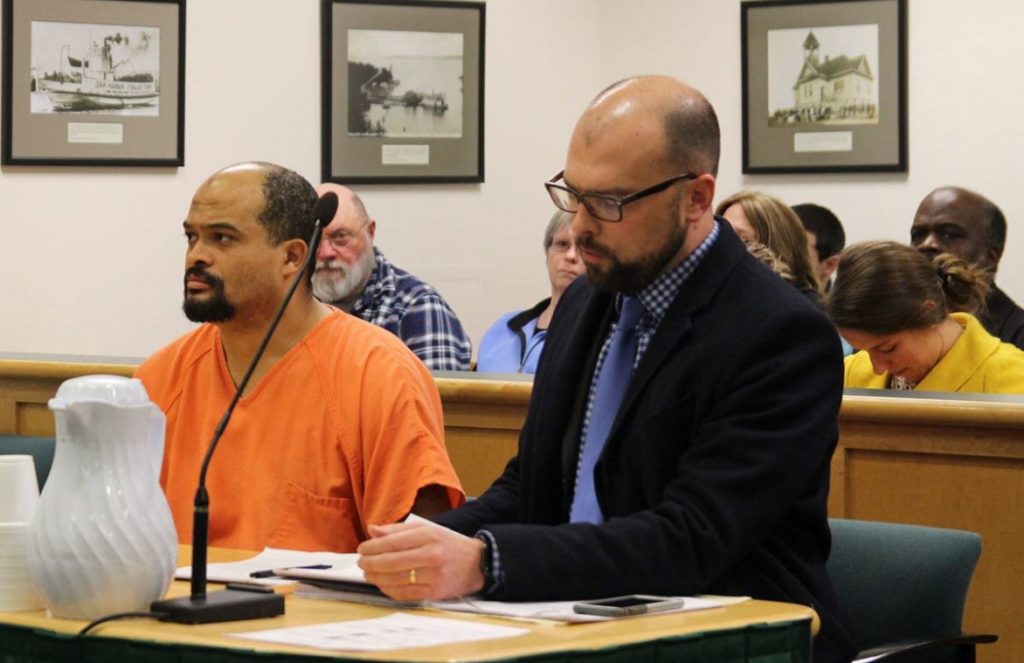
Jeremy Dawley’s conviction under a law that bars intimidation of a public servant was reversed by the Washington Court of Appeals in a ruling on Dec. 30, 2019. The court said the law was overly broad in violation of the First Amendment. (In this 2017 photo, Dawley appears in Island County Superior Court with his attorney during a hearing about revoking his bail. Photo by Jesse Stensland
Washington’s law prohibiting the intimidation of a public servant violates the First Amendment, a state appeals court has ruled. The appeals court reasoned that the law prohibits more than true threats and sweeps up a substantial amount of protected speech.
Jeremy Dawley, a former member of the United States Navy discharged with a traumatic brain injury, often calls up the nonemergency line in Island County and complains about issues he sees, such as illegally parked cars, traffic issues, and other problems.
Problems arose when Dawley had an unpleasant interaction with a police officer. Dawley had called the non-emergency line over two illegally parked cars. When the officer arrived, he asked if Dawley might carry a notebook, note all the violations, and then call to report all of them at one time.
Man’s several comments and phone call result in criminal charges of intimidation, harassment
Dawley didn’t like that comment and told the officer not to get out of his patrol car or his dog would attack him. The officer then responded that if Dawley’s dog attacked him, he would shoot the dog. Dawley then said he knew the laws of self-defense and that if the officer shot his dog, he would stab him. Another officer then responded: “If you stab my partner, I’m going to have to shoot you.”
Dawley then called the Oak Harbor Chief of Police, Kevin Dresker, and left him a voice mail complaining about his treatment by the police officers.
He stated in part: “This is Jeremy Dawley again. I’m not getting a phone call back from you. So do I need to look up your address and literally show up at your house cause I’m that not afraid of you, and I’m that pissed off at your police officer.”
Dawley also called Nikki Esparza, the Oak Harbor City attorney, making several comments. Here are some:
I really think something needs to be done about this. … So, I mean, it’s completely up to you. But if you guys aren’t willing to draw the line, like I’m gonna protect myself. I’m not saying I’m gonna come after you guys cause that’s – I’m not a murderer, I’m a law-abiding citizen.
And what you did to me as a city is to make me feel completely unsafe, not once but twice now. Your officers have put me into killing range with a firearm. A firearm, ma’am! What happens if I come to your house and I put you into killing range with a firearm, right? You’d be upset.
Dawley then filed a public records request at the Oak Harbor Police Department, asking for records on “violent offenses that resulted in physical harm and offenders to include sexual assaults.” Chief Dresker arrested Dawley after Dawley filed the public record request.
Jury finds man guilty of intimidating public service and telephone harassment
The state charged Dawley with three counts of intimidating a public servant and one count of telephone harassment. A jury found Dawley guilty of two counts of intimidating a public servant and the telephone harassment count. The jury was instructed about the intimidating a public servant law but was not instructed that the law applied only to true threats, which involve a serious expression of an intent to harm a person.
On appeal, Dawley challenged the convictions for intimidating a public servant. The Washington Court of Appeals reversed his convictions in its December 30, 2019, decision in State v. Dawley.
The intimidating a public servant law provides: “A person is guilty of intimidating a public servant if, by the use of a threat, he or she attempts to influence a public servant’s vote, opinion, decision, or other official action as a public servant.”
Dawley asserted that the law violated the First Amendment because it was overbroad and prohibited a lot more than just true threats. The state appeals court agreed.
Appeals court said intimidation law sweeps up ‘substantial amount of protected speech’
The court noted that the law did prohibit true threats but that it also “implicates protected speech because it includes threats to a person’s business, financial condition, or personal relationships.” The appeals court recognized that the law furthered the government’s compelling interests to protect public servants from threats and ensuring a fair and independent decision-making process.
However, the appeals court ruled that the law was not narrowly drawn and “sweeps up a substantial amount of protected speech.”
The appeals court concluded that “the only constitutionally permissible limiting construction to save the intimidating a public servant statute when the jury is instructed on the definition of threat … is to limit the statute to true threats alone.”
Because the jury was not instructed that the intimidating a public servant law was limited to only true threats, the appeals court reversed his convictions.
These two attorneys won ALL their traffic infraction cases heard in Thurston County’s District Court. If you were cited with a traffic infraction you need to beat, hire THESE guys…slicker than snot on a doorknob!